Key facts
- Philippine ports face the highest climate-driven port damage costs in Southeast Asia.
- Annual losses could reach US$70.2 billion by 2100 under a high-emissions scenario.
- Under a moderate-emissions scenario, losses could reach $20.6 billion annually by 2100.
- The ADB estimates that $9 billion to $19 billion in annual investments in coastal flood protection could avert $178 billion to $360 billion in damage each year.
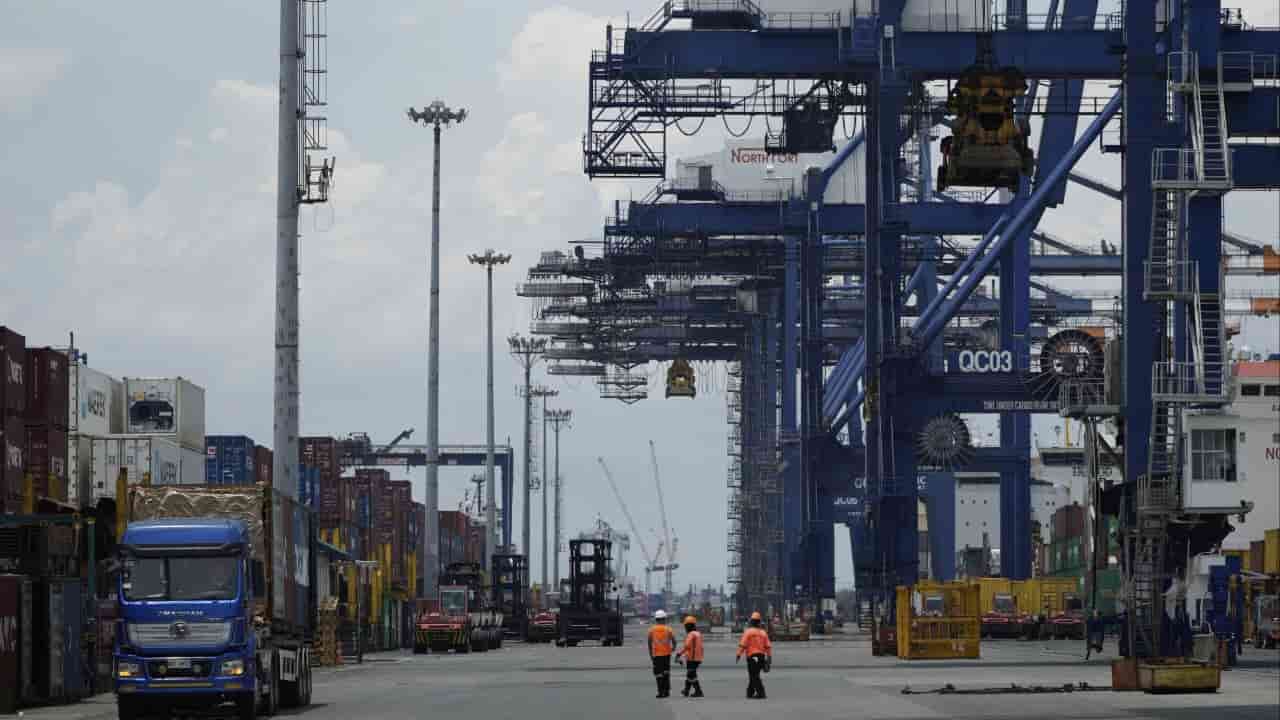
The Philippines is projected to face the highest climate-driven port damage costs in Southeast Asia, with annual losses potentially reaching US$70.2 billion by 2100, according to the Asian Development Bank (ADB). The ADB's "Asia-Pacific Climate Report 2026" highlights that severe coastal flooding, tropical cyclones, and extreme weather events could damage port infrastructure, disrupt maritime trade, and interrupt operations.
Under a high-emissions scenario, the projected annual damage to Philippine ports would equate to 0.44% of its GDP. Even under a moderate-emissions scenario, losses could still hit $20.6 billion annually, remaining the highest in the region. The report also noted that globally, about $63 billion of trade is at risk annually from port disruptions, with a significant portion concentrated in Asia and the Pacific.