Key facts
- The number of patents on small-molecule drugs has more than tripled since 1990.
- The average number of patents per drug approved by the FDA rose from 2.1 in 1990 to 6.9 in 2019.
- The increase in patents has extended the average patent protection period for a drug from two years in 1990 to 6.1 years in 2019.
- The study focused on small-molecule drugs approved by the FDA between 1990 and 2019.
The high cost of prescription drugs in the U.S. is partly driven by pharmaceutical companies exploiting the patent system, according to a study published in JAMA. Researchers found that the number of patents filed on individual small-molecule drugs has more than tripled since 1990, extending the period of market exclusivity and delaying the introduction of more affordable generic alternatives.
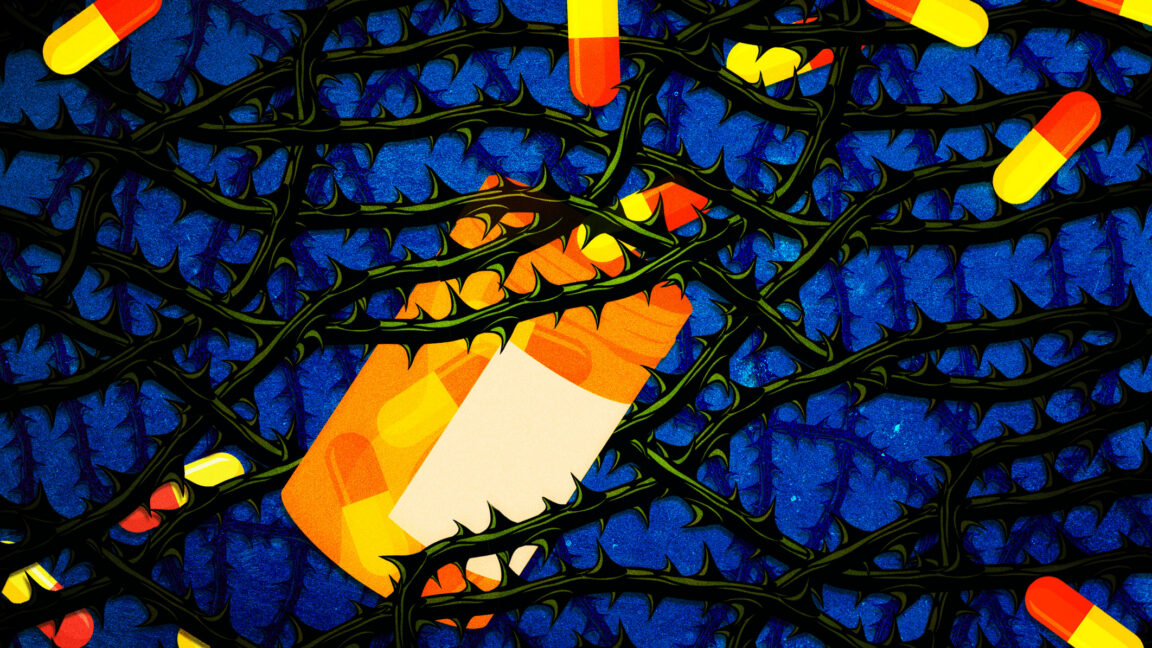
The study, led by S. Sean Tu of the University of Alabama, analyzed drugs approved by the Food and Drug Administration between 1990 and 2019. It revealed that the average number of patents per drug increased from 2.1 in 1990 to 6.9 in 2019. A significant portion of these additional patents are for "nonprimary" aspects of a drug, such as minor changes to inactive ingredients, updated usage instructions, or specialized delivery devices, rather than the active pharmaceutical ingredient itself. This strategy creates a "patent thicket" that can prolong a drug's patent protection. Consequently, the average time a drug remained under patent protection extended from two years in 1990 to 6.1 years in 2019. The authors noted that patent activity can continue for up to nine years after FDA approval, suggesting that the current extent of patent thickets may be underestimated.