Key facts
- Public Citizen filed complaints with the FCC and FTC alleging Trump ads paid for by the US government violate laws against taxpayer-funded propaganda.
- The ads use footage from a previous Trump campaign ad, with the main difference being the funding source.
- The White House claims the ads are public service announcements about loving one's country.
- Senate Democrats estimate $20 million in DHS funds may have been used for the ads, with AdImpact estimating over $1.7 million already spent.
- Public Citizen also filed complaints with the GAO and OSC alleging violations of federal laws and the Hatch Act.
Consumer advocacy group Public Citizen has lodged complaints with the Federal Communications Commission (FCC) and Federal Trade Commission (FTC), asserting that recent advertisements featuring Donald Trump, purportedly paid for by the U.S. government, violate federal laws. The group contends these ads contravene statutes against using taxpayer funds for propaganda and restrict political activities by federal employees.
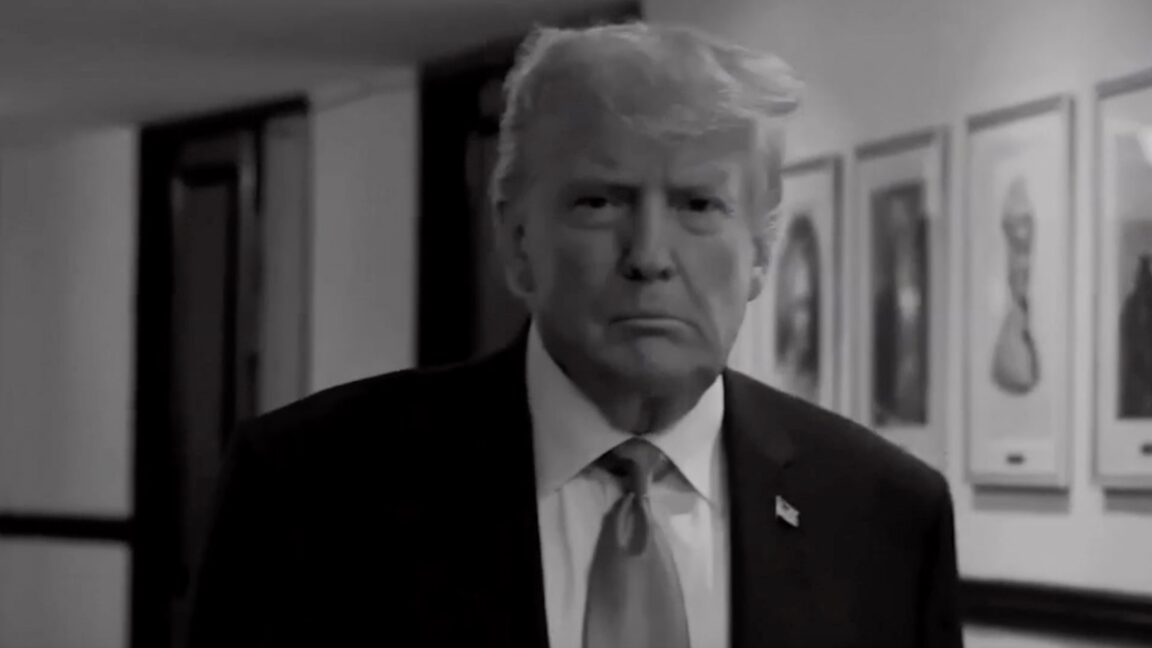
Public Citizen highlighted one ad, titled ‘The Final Battle,’ which it described as a copy of a Trump campaign committee ad from 2024. The updated version, aired during broadcasts such as Saturday Night Live, Fox News Sunday, and college and NFL football games, features Trump marching down a corridor with audio stating, ‘This is the final battle. With you at my side, we will demolish the deep state. We will expel the warmongers from our government.’ A notice at the bottom of the screen reportedly reads, ‘Paid for by the US government.’ Trump also states in the ad, ‘We will cast out the communists, Marxists, and fascists. We will throw off the sick political class that hates our country, we will rout the fake news media, and we will liberate America from these villains once and for all.’
The White House has defended the ads, characterizing them as public service announcements intended to encourage patriotism and understanding of what makes America worth defending. However, Public Citizen argues these ads do not qualify as PSAs because they do not reference specific governmental programs or inform the public about them. Instead, the group asserts the ads are designed to enhance Donald Trump's image and benefit his political party ahead of the 2026 midterm elections.
According to a Wall Street Journal report, Department of Homeland Security funds were used to pay for the ads, with President Trump personally involved in their creation. Senate Democrats echoed these concerns in a letter to Homeland Security Secretary Markwayne Mullin, estimating that DHS may have allocated $20 million for this initiative, drawing from funds provided to U.S. Customs and Border Protection. Analytics firm AdImpact estimates that over $1.7 million in federal funds have already been spent on airing these advertisements.
Public Citizen also submitted separate complaints to the U.S. Government Accountability Office (GAO) and the Office of Special Counsel (OSC), alleging violations of federal laws prohibiting the use of government expenditures for propaganda and breaches of the Hatch Act. The Hatch Act restricts political activities by federal employees, though it does not apply to the president. Public Citizen stated that the ad was conceived, produced, and distributed by White House staff using government resources for partisan purposes.
Broadcasters may face liability for airing advertisements that violate federal law. Public Citizen contends that the equal-time rule, which generally prevents stations from censoring or rejecting ads from qualified candidates, does not apply here because Trump is not currently a candidate. The group urged the FCC and FTC to direct broadcasters to cease airing these ads. However, the article suggests that the FCC, under Chairman Brendan Carr, is unlikely to take such action, given his past actions and support for Trump's influence over independent agencies. Broadcasters themselves may be hesitant to reject the ads due to potential repercussions from the FCC, citing Disney's lawsuit over an FCC proceeding that affected its broadcast license renewals.