Key facts
- Thirty-nine farmers from Sindh province are suing RWE and Heidelberg Materials for climate damages, per the report.
- The plaintiffs estimate RWE contributed 0.68 percent and Heidelberg Materials 0.12 percent to global industrial emissions.
- Both companies deny wrongdoing, according to the report.
- The 2022 floods hit a third of Pakistan, killed 1,700 people and affected 30 million, the report said.
- The lawsuit builds on a German ruling in a Peruvian farmer's case against RWE that left emitter liability open, per the report.
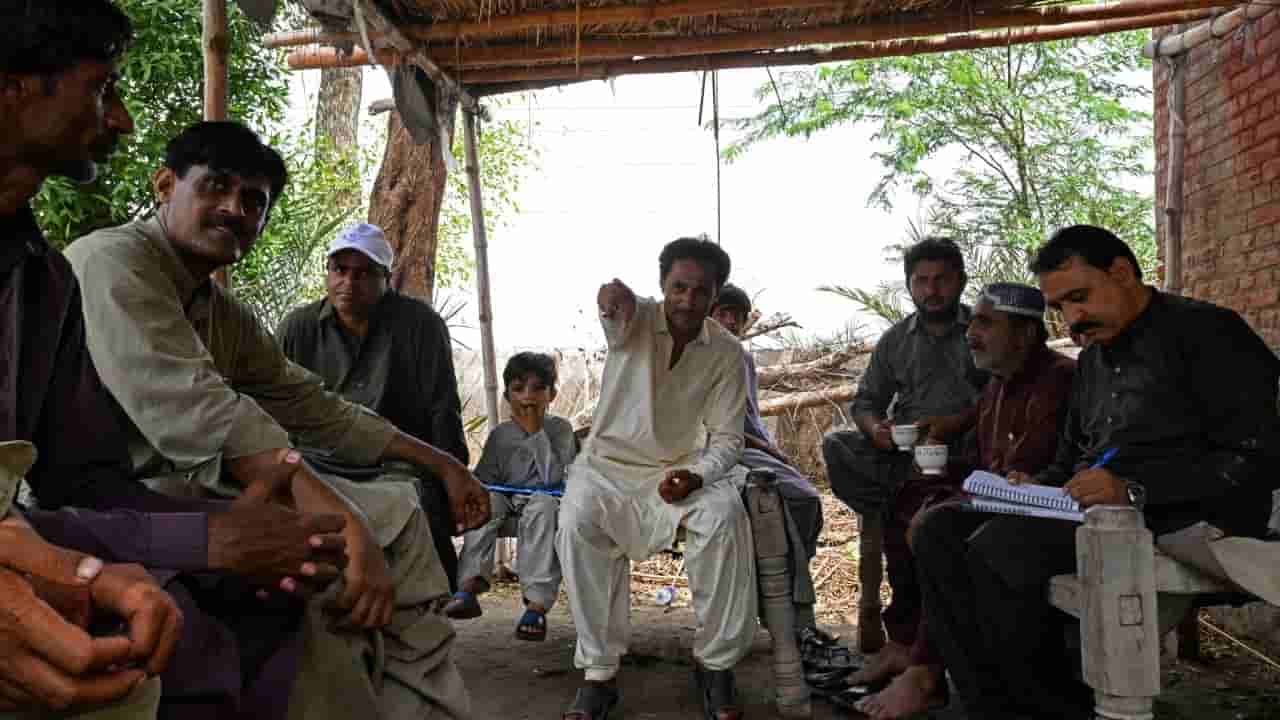
Thirty-nine farmers from Pakistan's southern Sindh province are suing German energy firm RWE and cement maker Heidelberg Materials, seeking damages for climate impacts from flooding in 2022, according to an AFP report published November 9, 2026. The lawsuit targets the companies over their climate-warming emissions rather than specific operations in Pakistan, the report said.
The plaintiffs estimate RWE and Heidelberg Materials contributed 0.68 percent and 0.12 percent to global industrial emissions respectively. Both firms deny wrongdoing, according to the report. The litigation argues that the companies' emissions contributed to climate change and intensified rain that destroyed crops, livestock and homes.
Abdul Hafeez Khoso, a 43-year-old farmer from Jacobabad district, told AFP: "The year 2022 was an apocalyptic scene -- not even our elders had ever witnessed such weather." He added: "We had nothing left." The report said the floods hit a third of the country, killed 1,700 people and affected 30 million Pakistanis.
The case is backed by Pakistani and European organizations. Mir Keerio, a development expert at Pakistan's HANDS Welfare Foundation, told AFP: "Those who have contributed significantly to this crisis must be held accountable... we realised we must take our fight for climate justice to the major polluters." Roda Verheyen, a German lawyer involved in both this case and a prior Peruvian farmer's case against RWE, told AFP the lawsuit builds on a German ruling that left the door open to holding emitters liable. She said: "Large companies knew about the general impacts of climate change since the 1960s."