Key facts
- Pakistan conducted air strikes in Afghanistan targeting militant hideouts.
- The strikes were in retaliation for drone attacks launched from Afghanistan.
- Seven Afghan civilians were killed in recent strikes, according to Kabul.
- Militant attacks in Pakistan killed at least 30 people, including police and soldiers.
- The Pakistani Taliban (TTP) is a key militant group operating in northwestern Pakistan.
- Hafiz Gul Bahadur leads the Shura Ittehad-ul-Mujahideen group, which claimed responsibility for an attack in Kohat.
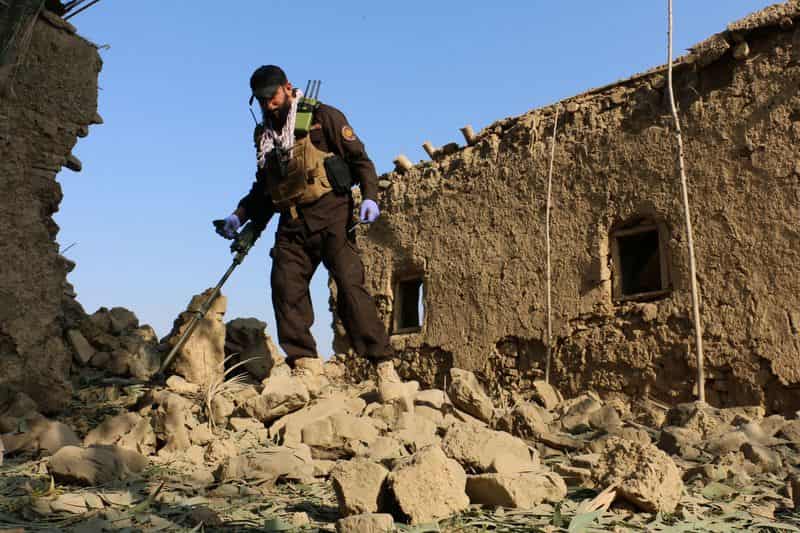
Pakistan launched air strikes on 10 locations in Afghanistan on Thursday, its second round of strikes in four days, escalating tensions between the two countries. Islamabad stated the strikes were in retaliation for drone attacks originating from Afghan soil. Kabul, however, denied sending the drones and claimed that seven Afghan fatalities in recent strikes were civilians.
Initially, Pakistan viewed the Taliban government, which returned to power in 2021, as a potential ally. However, frustration grew as militants launched increasing insurgencies in Pakistan's southwest and northwest. Pakistan has accused the Taliban-run government in Kabul and rival India of providing militants with funds, weapons, and safe havens, allegations both deny.
Previous escalations have been quelled by ceasefires, including one mediated by China in March, but the underlying disputes remained unresolved. The latest escalation followed two major militant attacks in northwestern Pakistan that killed at least 30 people, including 15 police officials and 6 soldiers. One attack on a police facility in Kohat district was claimed by the Shura Ittehad-ul-Mujahideen, led by militant commander Hafiz Gul Bahadur. Two days later, four soldiers and two officers were killed in an exchange of fire with militants in adjacent Hangu district.
The Tehreek-e-Taliban Pakistan (TTP), also known as the Pakistani Taliban, is a primary militant group in the region. Formed in 2007, it is modeled on the Afghan Taliban and has a close bond with the group due to shared Pashtun ethnicity and past fighting. Hafiz Gul Bahadur's group, which once hosted al Qaeda fighters, has shifted its focus to Pakistan after a Pakistani military offensive in 2015.