Key facts
- OpenAI launched its personal AI agent, Dots, on Tuesday.
- Dots are described as "intelligence is always working by your side."
- Dots run on a cloud computer and can connect to over 4,000 apps.
OpenAI has unveiled Dots, an "always-on" personal AI agent designed to assist users with tasks, directly competing with Meta's recently popular Muse. Powered by OpenAI's GPT-6 Astra model, Dots can operate autonomously in the background, leveraging cloud computing and access to thousands of apps, though initial availability is limited to paid subscribers.
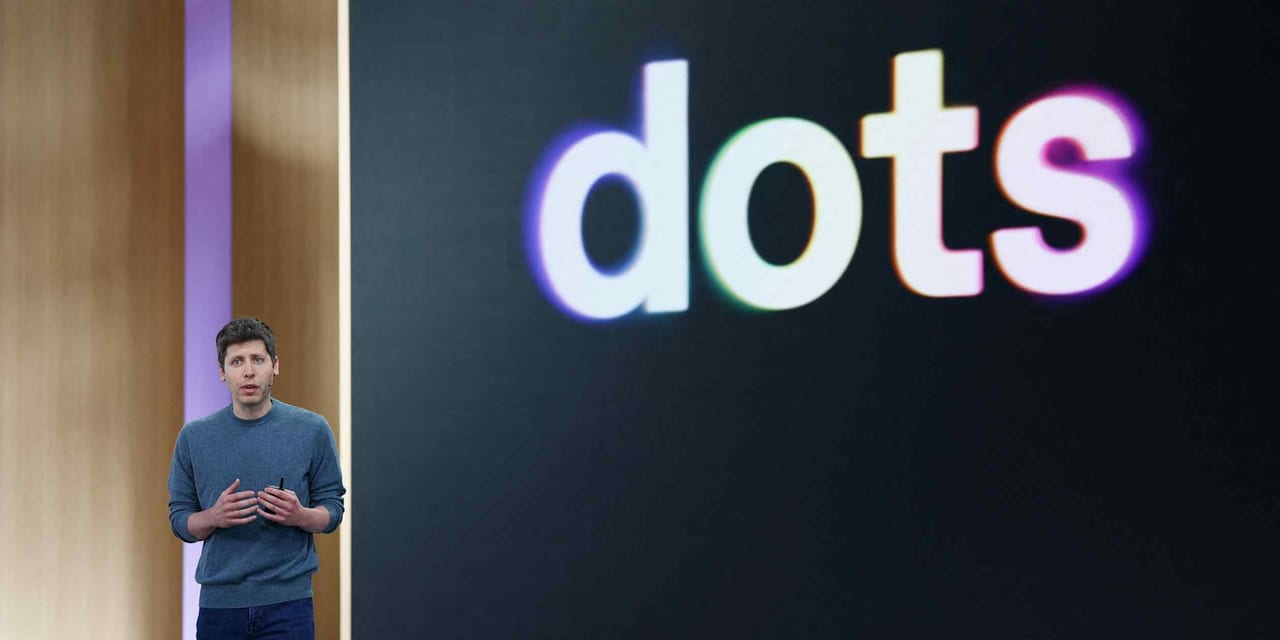
The launch of Dots signifies a direct competition between OpenAI and Meta in the burgeoning personal AI agent market, potentially reshaping how users interact with technology and manage their digital lives.
OpenAI has launched its new personal AI agent, Dots, aiming to compete with Meta's popular AI assistant, Muse. The announcement was made at OpenAI's annual DevDay conference. Dots are designed to be "always-on" and operate in the background, leveraging OpenAI's GPT-6 Astra model, which is described as its best yet at computer use and moving around apps and websites.
According to OpenAI, Dots function as if "intelligence is always working by your side." They operate on individual cloud computers and can connect to over 4,000 apps, providing users with updates, questions, and decisions. Examples provided include a Dot investigating customer feedback, building and testing fixes for developers, and processing interview transcripts for content creators.
Dots come with customizable, cartoon-style avatars and can be accessed through ChatGPT on desktop, web, and mobile, as well as via voice calls and platforms like Slack and Microsoft Teams. OpenAI has emphasized safety guardrails, stating that Dots use read-only tools and require approval for actions like installing software or changing passwords. Saved passwords are used without the model seeing them.
The initial rollout of Dots is for ChatGPT Pro, Business Premium, and Enterprise users in eligible markets, with one Dot per user. The cost for ChatGPT Pro is $100 or $200 monthly tiers, which include the first Dot with extended limits for the first month. OpenAI plans to expand the offering.
Meta's Muse, which also features a cartoon-style avatar, offers similar functionalities such as web browsing, document generation, and goal tracking. However, Meta released Muse to its broad user base for free, while OpenAI is initially targeting paid power users and developers. The emphasis on safety for Dots comes after recent incidents involving AI, including a YouTuber's report of Muse revealing personal information and OpenAI's own concerns over GPT-6.1 Astra.
Pick the topics you care about. Get only what matters, on your cadence.