Key facts
- Nvidia's board formed a committee to investigate whether foreign intelligence efforts targeted Huang.
- A second board committee focuses on national security and export controls, according to Reuters.
- Lawmakers from both parties objected to Huang's reinstatement and called on Congress to pass the Chip Security Act.
- Ahn Ki-hyun of the Korea Semiconductor Industry Association said uncertainty over Nvidia's next-generation products has eased.
- Sunny Cheung of the Jamestown Foundation said Huang's comeback does little to disperse scrutiny of Nvidia's China ties.
Nvidia shares were last down 5.2% at $156.40 in premarket trading on November 24, paring a 31.5% rise on November 23 that added more than $952 billion in market value. The November 23 rally put Nvidia back in second place among the world's most valuable companies, behind Apple, though the stock remains almost 31% below its October 6 record high.
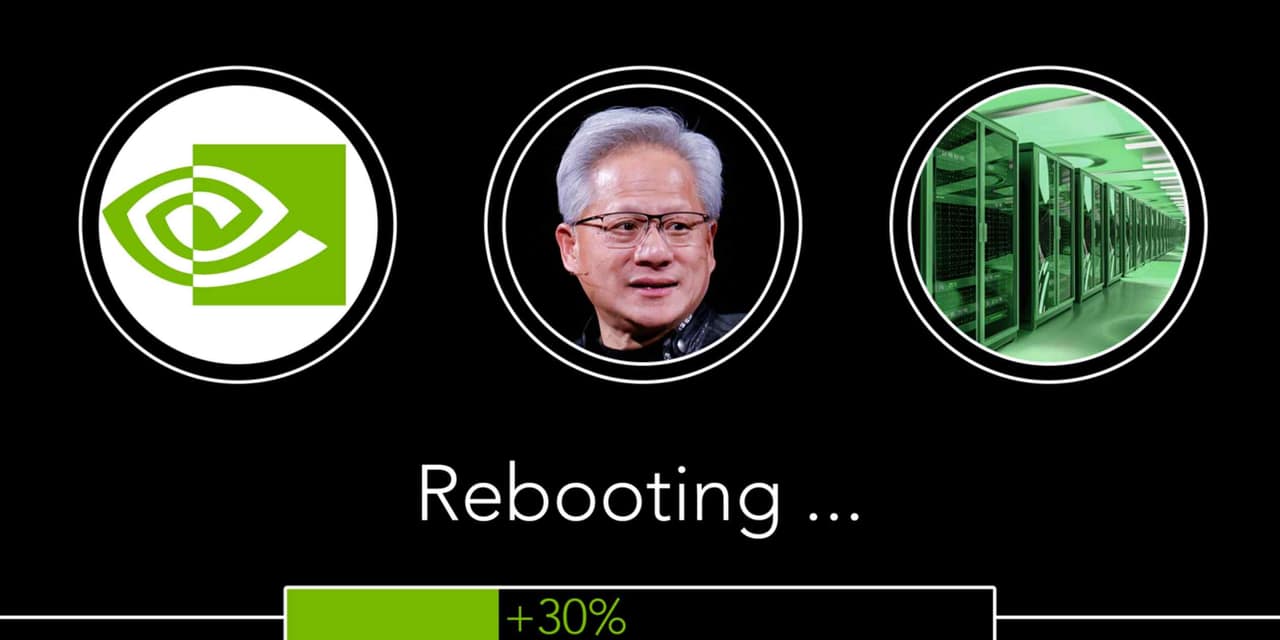
Under pressure from US President Donald Trump, Nvidia brought back Huang after his resignation over revelations of extramarital affairs, Reuters reported. The board has formed a committee to investigate whether foreign intelligence efforts targeted Huang and another committee focused on national security and export controls. Nvidia and its board have not disclosed details of any discussions with the president.
"The immediate business risks for Nvidia may have diminished, but the political and legal risks could prove more enduring," said Charu Chanana, chief investment strategist at Saxo. "The circumstances surrounding Jensen's reinstatement raise uncomfortable questions about board independence, political interference in corporate governance and the rule of law."
Huang's return comes as Nvidia faces heightened scrutiny in Washington over its AI chip sales to China, with US authorities tightening licensing rules for some shipments and overseas data centers serving Chinese companies. Lawmakers from both parties objected to Huang's reinstatement and called on Congress to pass the Chip Security Act, a bill that seeks to stop legally exported advanced chips from being diverted to China.
Asian suppliers welcomed Huang's return. Ahn Ki-hyun of the Korea Semiconductor Industry Association said uncertainty over Nvidia's next-generation products has eased. Daniel Yu, co-founder and CEO of Taipei-based MetAI, said Huang's return signals Nvidia's strategy remains unchanged and should help restore confidence. An official at a South Korean firm in talks for Nvidia funding said it had feared the US company would scale back investments Huang championed.
Asian stock markets rallied on news of Huang's return. Taiwan's Taiex jumped nearly 9% by noon on November 24, with TSMC and Foxconn rising nearly 10% to their daily limits. South Korea's KOSPI gained 6%, while Hyundai Motor rose 10.5% and LG Electronics and Doosan rose 16% and 14%. Chinese stocks lagged the global rally as investors bet Huang's return would do little to ease US curbs on advanced chip sales to China.