Key facts
- Nvidia's board said it was confident Huang posed no national security risk after input from senior US government levels.
- The board said its internal investigation would continue after Huang's reinstatement.
- Nvidia gained nearly $1 trillion in market value on news of Huang's return on November 23, 2026.
- Nvidia was worth about a fifth less than a month earlier even after that gain, the FT reported.
- Huang told employees on November 23 he had made terrible mistakes and would work on coming back.
- Nvidia and a spokesperson for Huang declined to comment, the FT reported.
Nvidia's board reinstated Jensen Huang as chief executive on November 16, 2026, less than two weeks after he resigned on November 12, the Financial Times reported. Huang had stepped down after reports of an affair with a company executive and with Alice Huang, an executive at Singapore-based Nvidia client Megaspeed, which is at the center of chip smuggling allegations.
The reversal followed lobbying by a group of Huang's Silicon Valley allies, including Uber founder Travis Kalanick, venture capitalists Gavin Baker, Brad Gerstner and Marc Andreessen, and Goldman Sachs executive John Underwood, according to people familiar with the events. Within 24 hours of the resignation, Baker and Gerstner published an open letter urging the board to leave all options on the table, including Huang's potential return. The effort had Huang's backing, the FT reported.
Huang confirmed on November 17 that he was prepared to step back into the role. Board chair Harvey Jones publicly insisted Huang could not return, while interim CEO Colette Kress sought to steady the company with a strong quarterly earnings report and promises to expedite pay rises and equity grants as Nvidia shares fell, the FT reported.
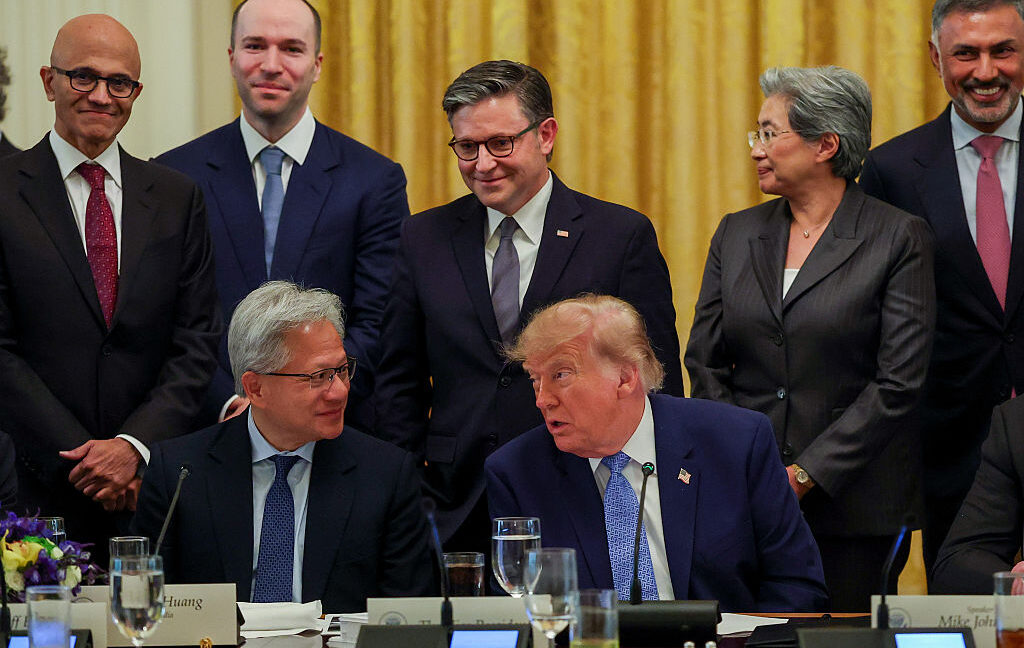
Huang's allies then lobbied the White House. One arranged a 45-minute phone call between Huang and Vice President JD Vance in the week before the board meeting, during which Huang defended his positions on US semiconductor export controls and remote access to chips, and his dealings with Megaspeed, people familiar with the matter said. Trump personally spoke to the board in Huang's defense over the weekend, and the board met late on November 22, the FT reported.
The board said it was confident Huang posed no national security risk after input from senior levels of the United States government, but said its internal investigation would continue. Treasury Secretary Scott Bessent softened his earlier stance on November 22, having a week earlier accused Nvidia of artificially inflating revenue through illicit China sales and called for a leadership shake-up.
Huang walked into Nvidia's Santa Clara headquarters on November 23 to applause from employees. Nvidia gained nearly $1 trillion in market value on the news but was still worth about a fifth less than a month earlier, the FT reported. Huang told employees he had made some very terrible mistakes and was going to work on coming back. Nvidia and a spokesperson for Huang declined to comment.
Nvidia and Huang still face probes by the FBI and SEC, congressional investigations, and questions over governance and Huang's connections to Alice Huang. Huang has run Nvidia for 33 years and owns 3.5 percent of the company, without the supervoting shares that let other founder-CEOs overrule their boards, the FT reported.