Key facts
- NAMA members met with congressional offices and USDA staff.
- NAMA advocated for federal preemption for food regulations.
- NAMA supported funding for oat and wheat research.
- NAMA called for renewal of the U.S.-Mexico-Canada Agreement.
- NAMA members highlighted the role of grains in the food supply.
- The fly-in occurred shortly after the House passed "Farm Bill 2.0".
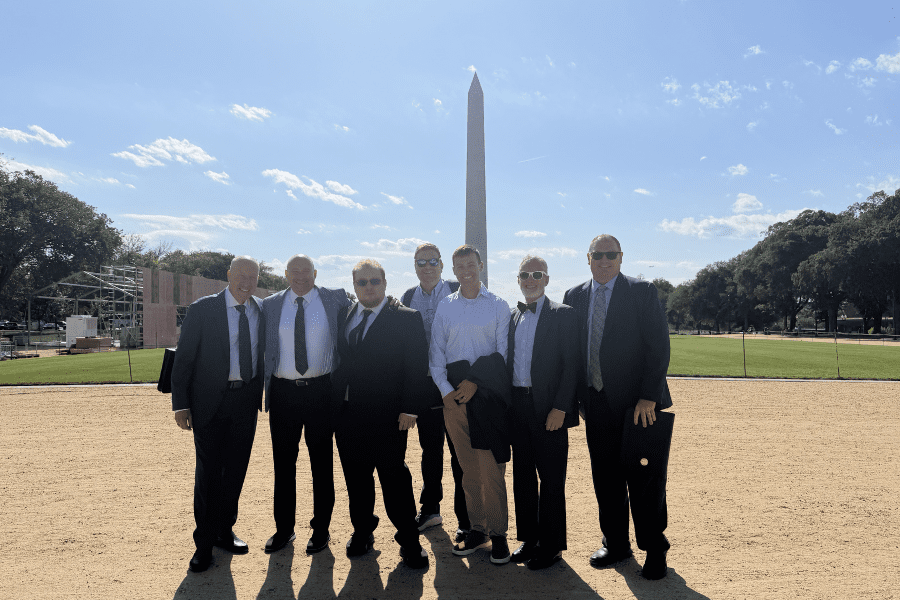
Members of the North American Millers Association (NAMA) convened in Washington D.C. for their annual fly-in, aiming to influence policy decisions affecting the milling industry. NAMA President Jane DeMarchi emphasized the critical timing of the event, stating it was essential for lawmakers to understand the industry's priorities in nutrition, research, trade, and international food aid.
During their visit, 28 representatives from 15 NAMA member companies engaged in 76 meetings with congressional offices, including key members of the House and Senate Agriculture Committees and appropriators, as well as top USDA staff. The discussions focused on the vital role of grains in providing an affordable and nutritious food supply. NAMA members specifically advocated for federal preemption in food regulations, increased funding for oat and wheat research, and the renewal of the U.S.-Mexico-Canada Agreement.
The fly-in took place shortly after the House of Representatives passed "Farm Bill 2.0," which includes language to permanently transfer the Food for Peace program to the USDA. NAMA members urged the Senate to adopt similar provisions in their version of the bill. NAMA, which represents over 90 percent of the North American milling industry's production capacity across 32 states and Puerto Rico, positions its policy priorities to reflect the industry's crucial role in the food supply chain.
Separately, the NAMA Annual Meeting in San Antonio, Texas, on October 5, 2026, brought together over 125 industry leaders. During this meeting, Chris Giguere was confirmed as Chair and Sheryl Wallace as Vice Chair. The event, themed "Legacy in Motion: Celebrating the Past, Driving the Future," included discussions on the economic outlook, the impact of upcoming midterm elections, and policymaking dynamics. Awards were presented to retired leaders, and a panel of CEOs shared insights on industry challenges and future leadership development.