Key facts
- Recruitment of the first women began in Cambridge, The Independent reported on November 22, 2026.
- The trial will invite 700,000 women to test AI in breast cancer screening, per The Independent.
- The PRISM trial is funded by a $16 million grant from the Patient-Centered Outcomes Research Institute, per Florida Trend.
- Radiologists at the University of Miami's Sylvester center have collected patient data for more than a year, per Florida Trend.
- Analysis will be done by UCLA radiologists after hundreds of thousands of mammograms are gathered, per Florida Trend.
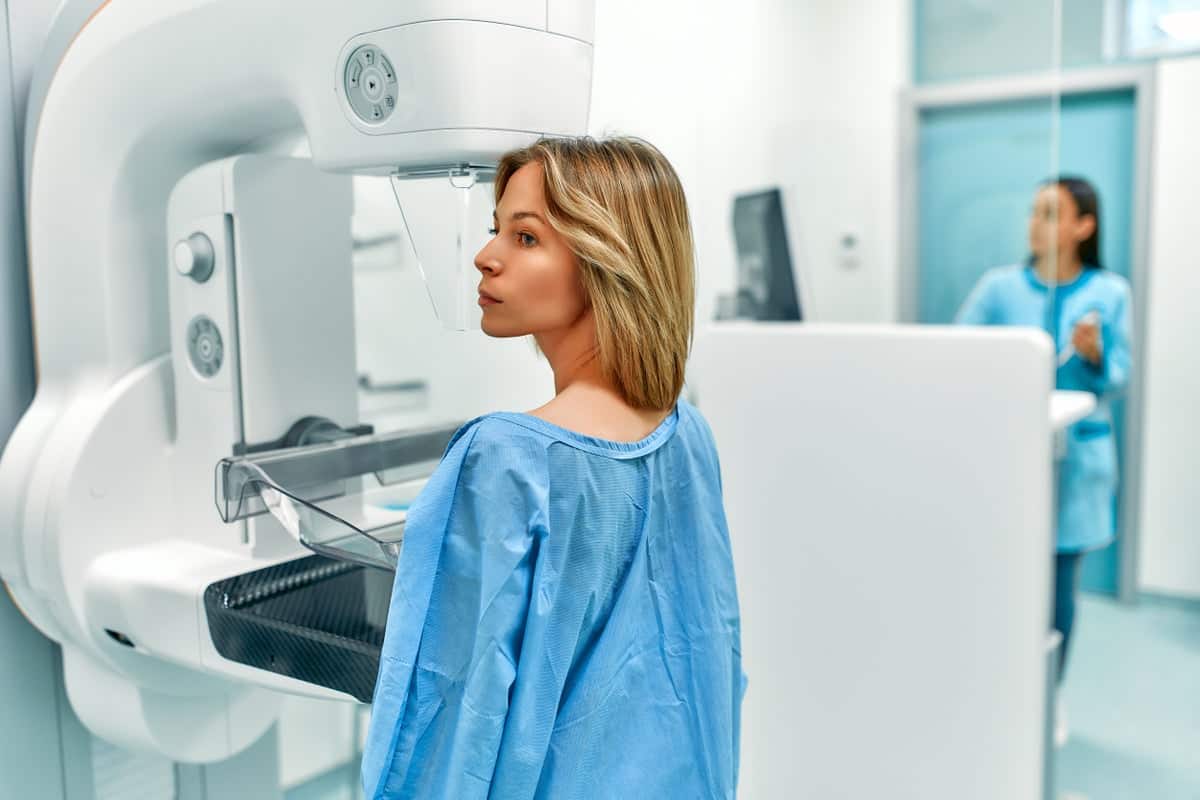
Recruitment of the first women has started in Cambridge for a UK trial that will invite 700,000 women to test whether artificial intelligence can detect breast cancer earlier, The Independent reported on November 22, 2026. The trial is part of the NHS breast screening program, according to the report.
The study, identified by Florida Trend as the Pragmatic Randomized Trial of Artificial Intelligence for Screening Mammography (PRISM), is a $16 million project funded by the Patient-Centered Outcomes Research Institute, based in Washington, D.C. Radiologists at the University of Miami's Sylvester Comprehensive Cancer Center have been collecting patient data for more than a year as part of the study, the outlet reported on October 8, 2026.
Analysis of the mammograms will be conducted by radiologists at UCLA and will not begin until hundreds of thousands of images have been collected from academic medical centers in California, Florida, Washington state, Massachusetts and Wisconsin, Florida Trend reported. The study aims to determine whether AI helps identify breast cancer or generates false positives that lead to unnecessary follow-up screenings.
"Our goal is to rigorously and objectively assess AI's impact, identifying who benefits and who may not," Jose Net, Sylvester's director of breast imaging services, said when the trial was announced in 2025, according to Florida Trend. Jamie Spoont, a radiologist and Sylvester center investigator working with Net, said the tool would serve as a second set of eyes rather than an autonomous reader.