Key facts
- South Korea's consumer prices increased by 3.2% in June compared to the previous year.
- This inflation rate is the highest recorded in 30 months.
- Higher oil prices and a weakened Korean won are cited as key drivers.
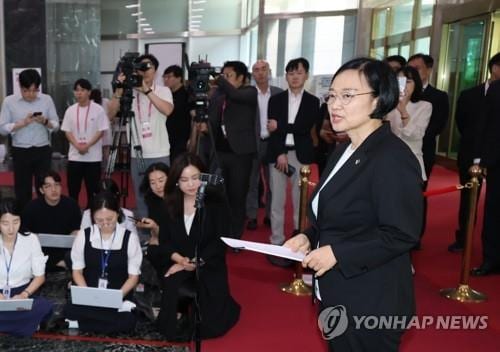
- Prime Minister Han Seong-sook declared inflation control as the government's highest priority.
- The government plans to monitor essential goods prices in real-time and implement supply measures.
South Korea's consumer prices surged 3.2% in June from a year earlier, marking the fastest pace in 30 months, primarily due to the lingering impact of the Middle East conflict and elevated oil prices. Prime Minister Han Seong-sook, in her second day in office, declared that reining in inflation must be the government's highest priority.
During an emergency economic response meeting, Han emphasized the need for maximum effort to stabilize prices, including real-time monitoring of essential goods and swift supply measures. She also noted that despite easing Middle East tensions, the economy faces ongoing challenges such as high oil prices and a weakened Korean won.
Data from the Ministry of Data and Statistics revealed that industrial product prices rose 4.4%, heavily influenced by a 24.7% jump in fuel prices, the sharpest growth since July 2022. The Prime Minister also outlined plans for economic cooperation with the Middle East, focusing on restoring machinery and auto exports and contributing to post-war recovery efforts.