Key facts
- Neuralink said the late-stage trial would evaluate the safety and effectiveness of its implantable BCI device.
- The trial targets adults living with amyotrophic lateral sclerosis, or ALS, the company said.
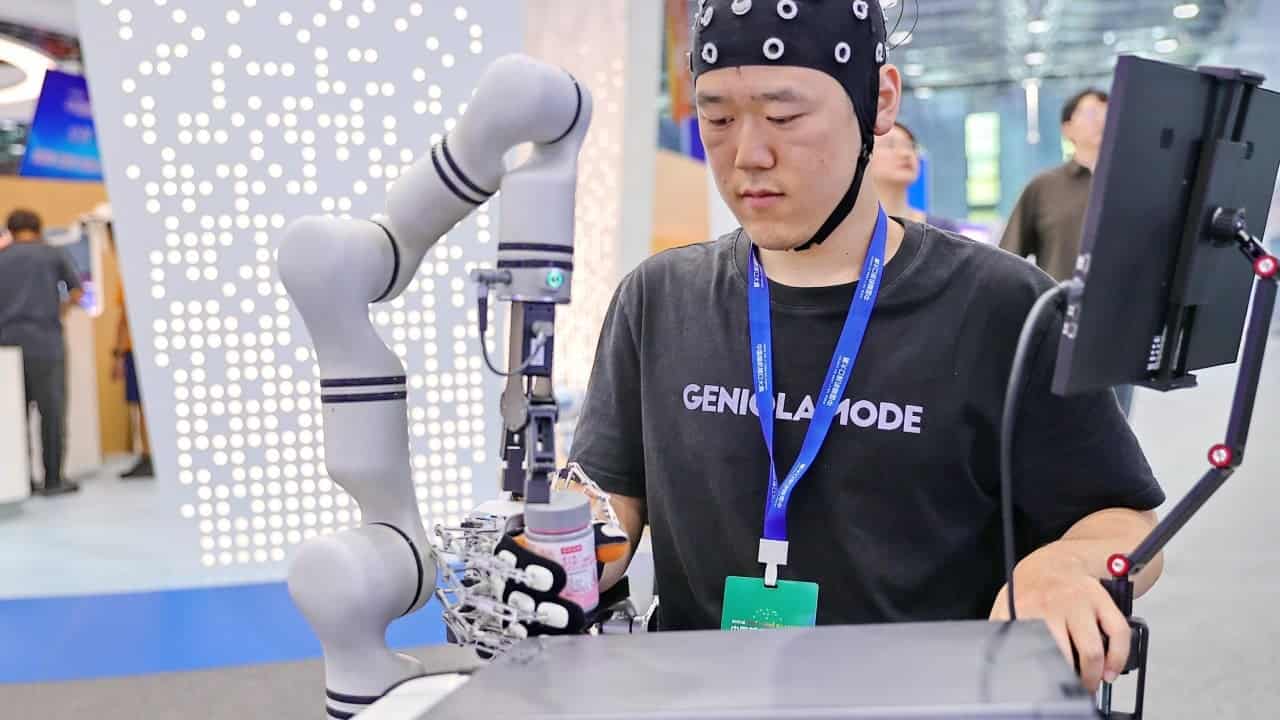
- Chinese firms are racing to claim BCI breakthroughs, with Beijing seeking to set standards for the industry.
- Beijing is also seeking to expand real-world BCI applications in what it sees as a strategic industry.
Neuralink said on November 25, 2026 that it would launch a late-stage trial to evaluate the safety and effectiveness of its implantable brain-computer interface device for adults living with amyotrophic lateral sclerosis, or ALS, allowing them to control devices, according to a report published on November 26, 2026.
Chinese firms are racing to claim brain-computer interface breakthroughs as Neuralink advances toward commercialization. Beijing is seeking to leapfrog the US by setting standards and expanding real-world applications in what it sees as a strategic industry, the report said.
The report did not give the size, location or timing of the Neuralink trial, or name the Chinese companies involved.