Key facts
- Two regional officials and a person familiar said Netanyahu is pushing for another wave of strikes on Iran after Tuesday's US midterm elections.
Israeli Prime Minister Benjamin Netanyahu pressed US President Donald Trump during a weekend call to launch a new wave of strikes on Iran, according to two regional officials and a person briefed on the call. Trump would not commit to military action, and Secretary of State Marco Rubio said on Saturday that Trump had not made a decision and prefers a diplomatic solution.
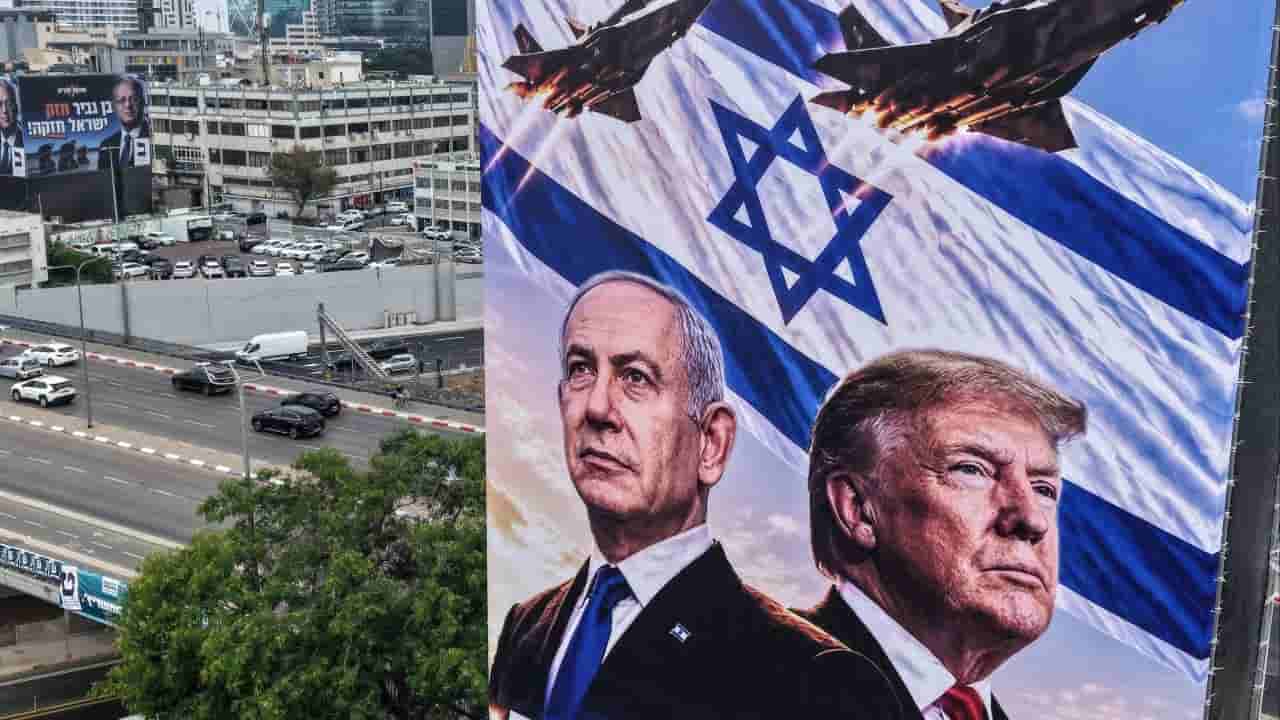
A new US air campaign against Iran would follow a February 28 strike that killed Supreme Leader Ali Khamenei, and Middle East allies warned it could draw Houthi attacks on Saudi Arabia and Red Sea shipping. Qatari-mediated talks are weighing an end to Iran's Strait of Hormuz attacks against a US lift of its blockade on Iranian ports.
Israeli Prime Minister Benjamin Netanyahu pressed US President Donald Trump during a call over the weekend before November 2, 2026, to launch another wave of strikes on Iran, according to two regional officials and a third person familiar with the matter. One official said Netanyahu was working with senior US administration officials to persuade Trump to launch a quick but extensive air campaign, and that the president did not appear to have made a decision. A person briefed on the call said Trump would not commit to military action.
The push follows Israeli elections in the week before November 2 in which Netanyahu and his far-right allies lost their parliamentary majority. The officials said a return to full-scale war with Iran could help Netanyahu form an emergency government. Trump has alternated between threatening major strikes and pushing for a deal with Iran.
The two officials said Qatari mediators held two rounds of talks with Iranian officials in the week before November 2, seeking a framework under which Iran would cease its attacks in the Strait of Hormuz in return for the US lifting its blockade on Iranian ports. More talks were planned for the week of November 2. The officials spoke on condition of anonymity because they were discussing classified briefings they had received from American, and in one case Israeli, officials.
Trump told reporters on Sunday, November 1 that he and Netanyahu had a "very good" call the day before. He said they discussed Iran but gave no details. Asked at a news conference on Saturday, October 31 about the possibility of new US strikes and Iranian retaliation, Secretary of State Marco Rubio said: "He hasn't made a decision." Rubio said Trump "would prefer to solve it diplomatically" and has "incredible confidence" in military action if needed.
A third regional official said other US allies in the Middle East are warning against more strikes, saying they could destabilize the region and lead Iran-allied Houthi rebels in Yemen to step up attacks on Saudi Arabia and Red Sea shipping. Iran-backed militias in Iraq could also get involved, the official said.
The Israeli government did not immediately comment, and the White House did not directly respond to questions about the weekend discussion of potential new strikes. Netanyahu has not commented on Iran since the election. The report said the US and Israel have twice attacked Iran while it was engaged in diplomacy, including a February 28 strike that killed Supreme Leader Ali Khamenei.
Pick the topics you care about. Get only what matters, on your cadence.