Key facts
- NASA Administrator Jared Isaacman is prioritizing "good deals" with international partners for lunar missions.
- The US and China are in a race for lunar resources, with China partnering with Russia.
- The lunar south pole is a key strategic location due to water ice deposits.
- Italy is committing over $5 billion to developing lunar habitation modules.
- Japan is committing billions to develop a pressurized rover for lunar exploration.
- NASA canceled the Gateway mini-space station to focus on a permanent lunar surface presence.
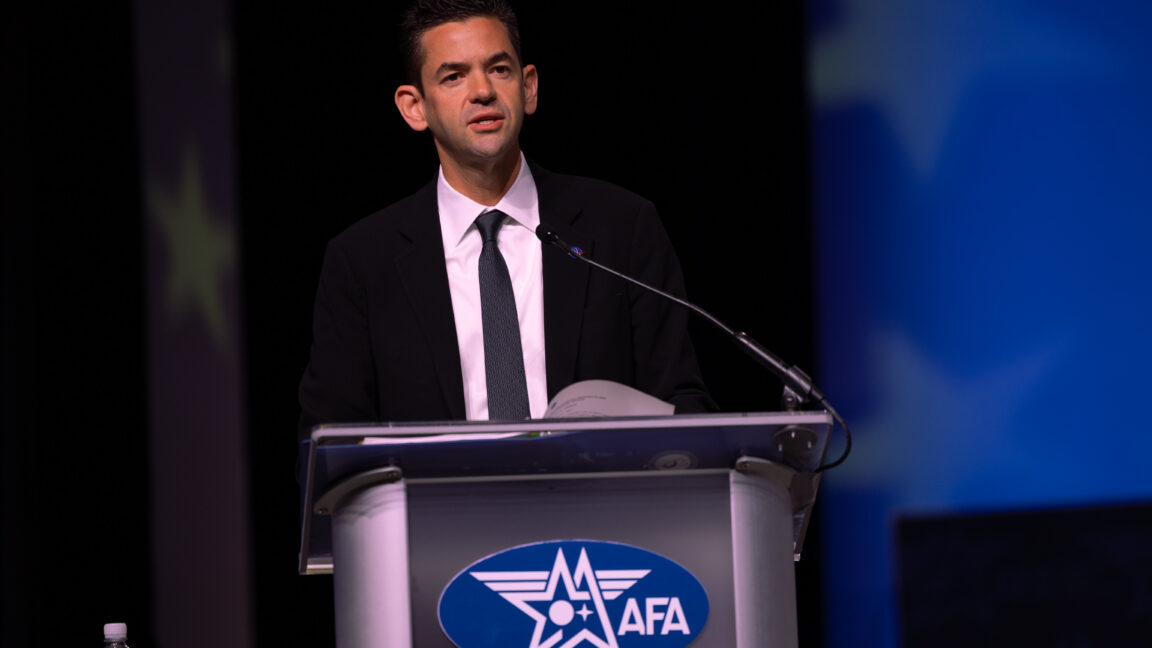
NASA must be more selective in forging international partnerships for lunar missions as the race to the Moon intensifies, according to Administrator Jared Isaacman. Speaking at the Air & Space Forces Association’s Air, Space & Cyber Conference, Isaacman stated that the agency is moving away from a strategy of trying to please everyone and will only pursue "good deals" that meaningfully contribute to the mission.
The competition for lunar resources and strategic locations, particularly near the Moon's south pole, is a key driver for this shift. This region is attractive due to substantial quantities of water ice, which can be used for life support, air, and rocket fuel, supporting a permanent settlement and future Mars expeditions. Isaacman noted that China, partnered with Russia, is also targeting these same locations and plans to deploy a nuclear reactor, potentially limiting access to this crucial training environment for America's space ambitions.
Isaacman highlighted NASA's agreement with Italy, which is committing over $5 billion to develop lunar habitation modules, as an example of a "good deal." Similarly, Japan's multibillion-dollar commitment to develop a pressurized rover in exchange for lunar flight opportunities for its astronauts was also cited. These contributions are expected to directly benefit the mission.
The role of the European Space Agency (ESA) and Canada in the Moon Base program remains uncertain. ESA's previous contributions were tied to the now-canceled Gateway mini-space station. Canada is also assessing its potential involvement. The US administration's trade dispute with Canada could further complicate any bilateral agreements.
Isaacman emphasized that the expectation is for international partners to make meaningful contributions that do not compete with US industry, stating, "The game has changed."