Key facts
- Hundreds of migrants remain in Ceuta after a mass border rush from Morocco.
- Spain estimates 69,500 migrants have returned to Morocco in four days.
- The official death toll on the Spanish side is 72, with 11 on the Moroccan side.
- EU interior ministers will hold an emergency video conference to discuss the crisis.
- European Commission President Ursula von der Leyen urged Spain to strengthen EU borders and offered support to Morocco.
Hundreds of migrants have set up camp on a beach in Spain's North African enclave of Ceuta, with authorities struggling to manage the aftermath of a massive border rush from Morocco. Spain estimates that approximately 69,500 migrants have returned to Morocco in the past four days, following an influx that saw thousands enter Ceuta. The official death toll reported by Spain stands at 72, a figure sharply contrasting with Morocco's reported 11 fatalities.
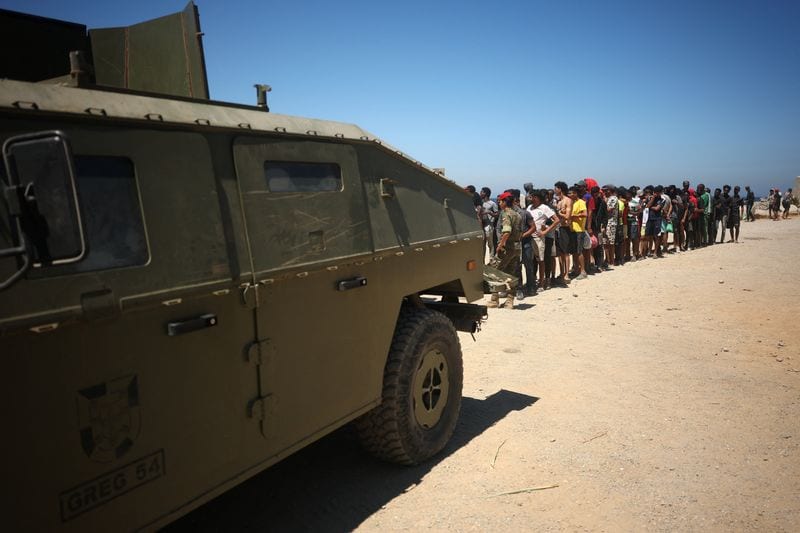
Many migrants stated they left their homes due to shop closures, lack of food, local hostility, and an inability to reach the Spanish mainland. Ceuta and the neighboring enclave of Melilla periodically face attempted crossings by migrants seeking to reach Europe. Video footage showed scores of migrants, predominantly from sub-Saharan Africa, resting on El Trampolin beach, with army and police vehicles patrolling nearby.
Ceuta's leader, Juan Jesus Vivas, indicated that between 3,000 and 5,000 migrants remained in the enclave, and its migrant reception centers, for both adults and minors, had collapsed. Local official Alberto Gaitan reported that 862 migrant minors were being processed, who have special legal protections.
The crisis has intensified anti-immigration sentiment across Europe and created diplomatic friction within the EU regarding border policies. Spain's Foreign Minister, Jose Manuel Albares, criticized Italy's government for amplifying misinformation and stated Spain expected reciprocal support after having assisted other EU countries during past migration crises. He noted Morocco's immediate police support without conditions facilitated the rapid return of most migrants.
However, Ceuta's Vivas expressed skepticism about Morocco's reliability, suggesting the crisis may have been orchestrated or at least permitted by Rabat. Morocco's Interior Ministry attributed the surge to social media misinformation, human trafficking networks, and a misinterpretation of a Spanish court ruling banning immediate returns of intercepted migrants, aligning with Madrid's official stance.
Reports from Spanish intelligence services suggest Morocco did not plan the mass crossing but allowed it to occur, with border controls allegedly relaxed during Morocco's Throne Day holiday. Tensions have reportedly arisen between Spain's Interior and Defense ministries, as the Interior Minister stated the foreign intelligence agency did not provide prior warning of the surge. A spokesperson for the Interior Ministry downplayed these reported tensions, while the Defense Minister declined to comment on the secret work of intelligence services.