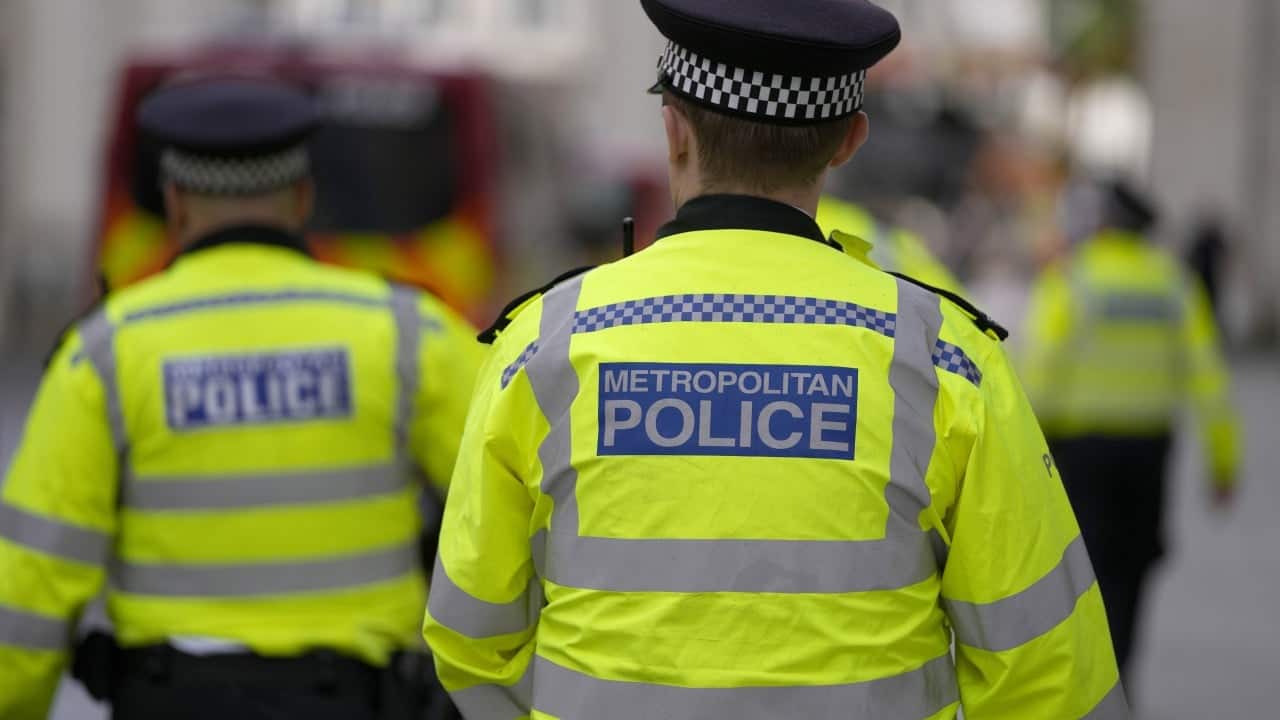
Key facts
- The Fairfield Review judged the Met's fundamental, systemic issues remain, three years after the Casey Review.
- The review found the force had not made good progress on any of Baroness Louise Casey's recommendations.
- The report said the Met still struggles to acknowledge racism as a structural problem rather than something people can be trained out of.
- The review said the Met chose not to implement specific recommendations about its Parliamentary and Diplomatic Protection Command.
- The report said further scandals are highly likely until closed cultural environments are fully addressed.
The Fairfield Review, published on Wednesday, November 25, 2026, concluded that Britain's biggest police force remains institutionally racist, misogynistic and homophobic, three years after the Casey Review into its culture following the murder of Sarah Everard.
The review, led by Dr Gillian Fairfield, assessed the Metropolitan Police's progress against recommendations made by Baroness Louise Casey in 2023. It found the force had not made good progress on any of them, and that its team heard evidence of behaviour, culture and organisational failings disturbingly familiar from the Casey Review. The report said the force had displayed some of the best policing and some of the worst.
On racism, the review said the Met still struggles to acknowledge racism as a structural problem rather than something people can be trained out of, and too often manages difficult subjects as a reputational threat rather than an opportunity for learning. It said specialist programs and increased recruitment and promotion for female officers were highlighted, but many women in the workforce and members of the public are not confident that change is substantive.
The report said trust among the LGBT community, damaged by failings in the case of serial killer Stephen Port, has not improved, and that the force is still making false assumptions about, and sometimes blaming, LGBT+ victims. Speaking to journalists as the report was published, Dr Fairfield said she had been shocked at the number of LGBT+ people who would not want to report crimes to the police.
The review found defensiveness remains deeply ingrained in the force and that none of the behaviours identified by the Casey Review, including looking for positive spin and blaming misconduct on individual bad apples, had changed sufficiently. It said confidence in misconduct systems remains uneven, investigations can remain lengthy and some officers and staff still fear retaliation for speaking up. Of those surveyed, 44% felt confident raising concerns about a senior officer, 17% were not at all confident their concerns would be acted on, 49% of those who felt bullied or harassed had not reported it, and 67% of those who had reported it said no action was taken.
The Met chose not to implement specific recommendations about its Parliamentary and Diplomatic Protection Command, where both Wayne Couzens and David Carrick served, instead bringing in its own changes, which the report found were yet to be fully embedded and achieve the desired impact. The review said that until the Met fully addresses cultures in these and other closed environments, further scandals are highly likely.