Key facts
- At least four of 32 vapes seized from schoolchildren in south-west London contained cannabinoids and spice, the Met said.
- Three more of the 32 devices were awaiting lab results and were believed to contain illicit materials, the Met said.
- Deputy Assistant Commissioner Ben Russell said the testing showed illicit substances were reaching vaping products used by children.
- The Met said it received around 200 reports of spiking offences involving child victims over the past year.
- The force said it has deployed vape-testing kits in schools and, more recently, in London's night-time economy.
A Metropolitan Police pilot testing vapes seized from schoolchildren in south-west London found that at least four of 32 devices contained substances such as cannabinoids and spice, the force said on November 24, 2026. A further three devices were awaiting laboratory results and were believed to contain illicit materials.
Deputy Assistant Commissioner Ben Russell said: "This pilot shows evidence of an emerging threat to children." He said testing had shown that dangerous and illicit substances were finding their way into vaping products used by children and young people, and that children carrying such substances in schools was concerning whether knowingly or unknowingly.
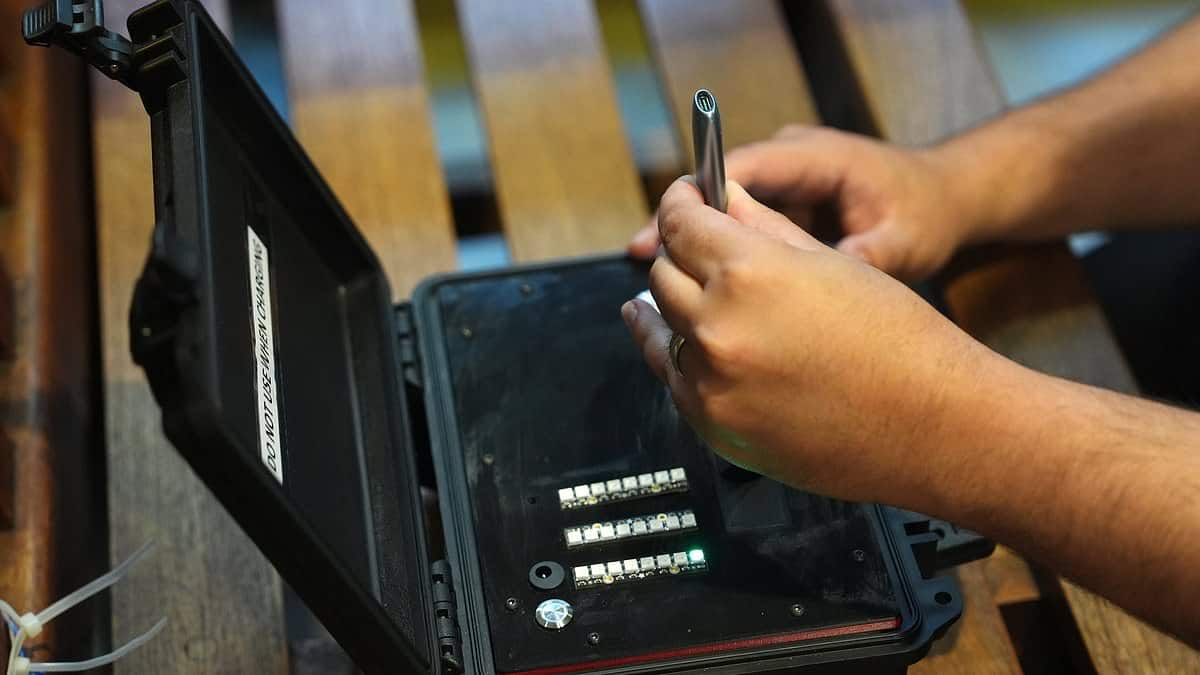
The force said it has been using new kits designed to detect whether vapes have been spiked, primarily to support testing of devices recovered in school settings, and more recently in London's night-time economy to tackle drink and drug spiking in bars, clubs and entertainment venues. Russell said officers had spoken with students about the risks and were working with schools, colleges, local authorities and safeguarding partners.
The Met said it had received around 200 reports linked to spiking offences involving child victims over the past year, and that many incidents involved young people becoming unexpectedly ill after using vaping products they believed to be safe. The force urged anyone who believes they have been spiked to report it immediately, saying the first 12 to 24 hours are crucial because substances can leave the body quickly and evidence may be lost.