Key facts
- Eisenkot said Iran's gravest threat is its stockpile of 440 kilograms of uranium enriched to 60%, which he said has yet to be destroyed or removed.
- Netanyahu accused political rivals of downplaying the Iranian threat for political reasons, according to Fox News.
- Eisenkot's remarks came hours before his and Netanyahu's parties were due to meet for a third time on coalition-building.
- Eisenkot has until December 6 to form a government, according to the report.
- The IAEA last verified approximately 440.9 kilograms of uranium enriched to 60% before attacks on Iranian nuclear facilities in June 2025, Fox News reported.
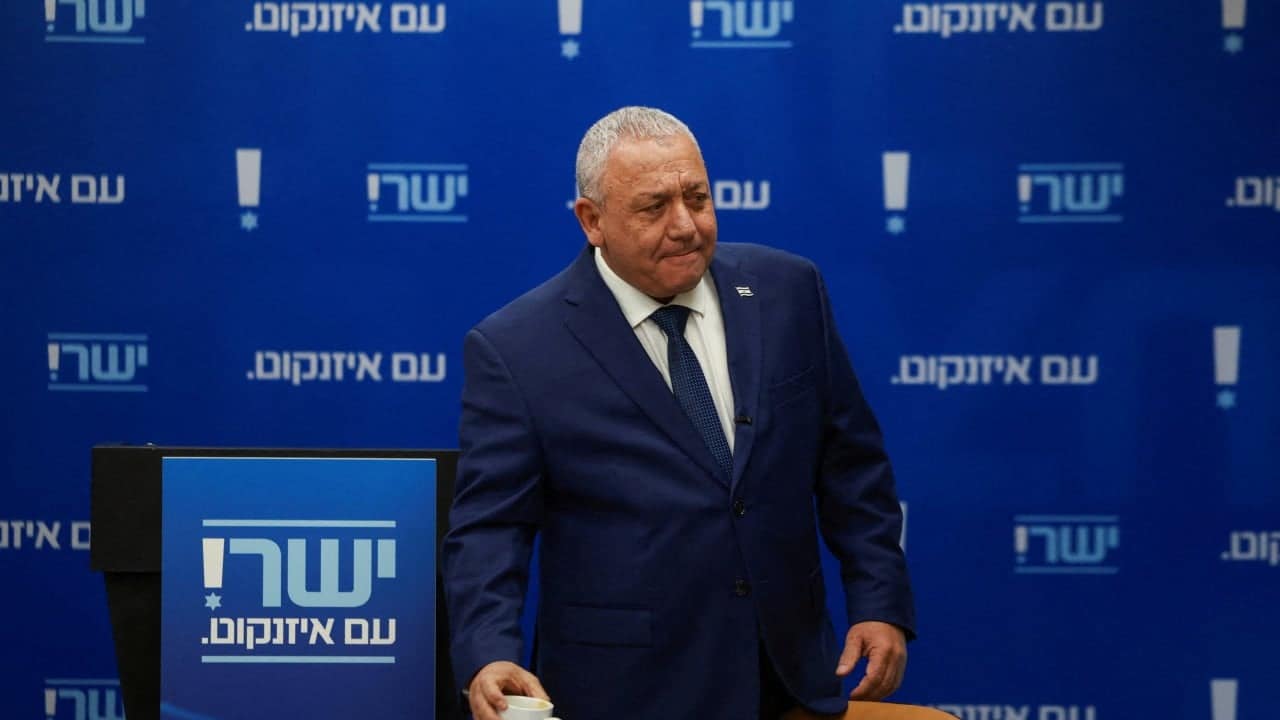
Gadi Eisenkot, the politician tasked by Israel's president with forming a new government, said on November 23, 2026 that he saw no direct, immediate threat from Iran that required action before a government is formed. He told his Yashar party's Knesset faction that Iran remains Israel's gravest security threat, citing its stockpile of 440 kilograms of uranium enriched to 60%, which he said has yet to be destroyed or removed, according to an English translation of his Hebrew remarks provided to Fox News Digital.
Caretaker Prime Minister Benjamin Netanyahu pushed back hours later, saying before a Likud faction meeting that Iranian threats are real and that Israel's ability to confront regional threats depends on unity. He accused political rivals of downplaying the threat for political reasons, according to TPS-IL. He renewed his call for a national unity government and signaled room for compromise on ultra-Orthodox military conscription while rejecting a coalition dependent on Arab-led parties.
The remarks came hours before the two parties were due to meet for a third time to discuss possible coalition-building, after negotiations the day before delivered no breakthrough. Eisenkot has until December 6 to form a government, according to the report.
Former Mossad director David Barnea also spoke on November 23, 2026, urging military action against Iran as soon as all conditions allow. Speaking at a conference, he said a diplomatic agreement with the Iranian leadership would never succeed, while acknowledging the option of giving sanctions more time, according to The Times of Israel.