All NewsEducationTVBrokers
Equities & FundsCrypto & Digital AssetsAI & TechnologyBusiness & CorporateUS Politics & PolicyGeopolitics & Global RiskMacro, Rates & FXCommodities & EnergyEuropean Politics & MarketsAsia-PacificReal Estate & Property
All NewsHome
← Back to Commodities & Energy

Malaysia considers easing rare earth export curbs amid global demand

Created at 3 Sep · 2:06 AM1 source↑ Market-relevant
IN SHORT

Malaysia is reviewing its ban on unprocessed rare earth exports to attract foreign investment and technology transfer, aiming to become a regional critical minerals hub by 2030. The move comes amid intense global competition for these resources, driven by concerns over China's potential export controls.

Key Numbers

1%Malaysia's share of global rare earth reserves
50%China's share of global rare earth reserves
16.1 million tonnesMalaysia's estimated inferred rare earth reserves
MYR970 billionEstimated value of Malaysia's rare earth reserves
USD 237 billionEstimated value of Malaysia's rare earth reserves

Who's Involved

Syed Ibrahim Syed Noh
Deputy Minister of Natural Resources and Environmental Sustainability
Lynas Rare Earths
Australian company with a rare earth processing facility in Malaysia
Berjaya Corp Bhd
Malaysian conglomerate exploring rare earth projects
Carester SAS
French company planning a rare earth separation plant in Malaysia
Malaysia considers easing rare earth export curbs amid global demand

↳ Why This Matters

Malaysia's potential shift in rare earth export policy could significantly impact global supply chains for critical minerals, offering diversification opportunities for countries wary of China's dominance and potentially boosting Malaysia's role as a key player in the burgeoning critical minerals sector.

Key facts

  • Malaysia is considering easing its ban on unprocessed rare earth exports.
  • The country aims to strengthen its position in the global critical minerals supply chain.
  • Foreign investment and technology transfer will be conditions for any export relaxation.
  • Malaysia seeks to establish itself as a regional critical minerals hub by 2030.
  • Growing international demand and concerns over China's export controls are driving the review.

Malaysia is contemplating easing its restrictions on the export of unprocessed rare earths as global demand for critical minerals intensifies and countries seek to diversify supply chains away from China. The Southeast Asian nation, which imposed a moratorium on raw rare earth exports in 2024 to encourage domestic processing, is now assessing the feasibility of allowing conditional exports.

Deputy Minister of Natural Resources and Environmental Sustainability Syed Ibrahim Syed Noh stated that any relaxation of export curbs would be contingent upon foreign investment commitments and technology transfer aimed at developing Malaysia's domestic rare earth industry. He indicated that exported materials would likely be designated for research and development activities outside Malaysia, though a timeline for policy changes remains unspecified.

This policy review is prompted by significant interest from countries including the United States, Australia, France, and India, who are actively seeking alternative sources for critical minerals amidst concerns over potential export controls from China. Malaysia's strategic goal is to establish itself as a regional hub for critical minerals by 2030, thereby mitigating the risks associated with over-reliance on a single supplier.

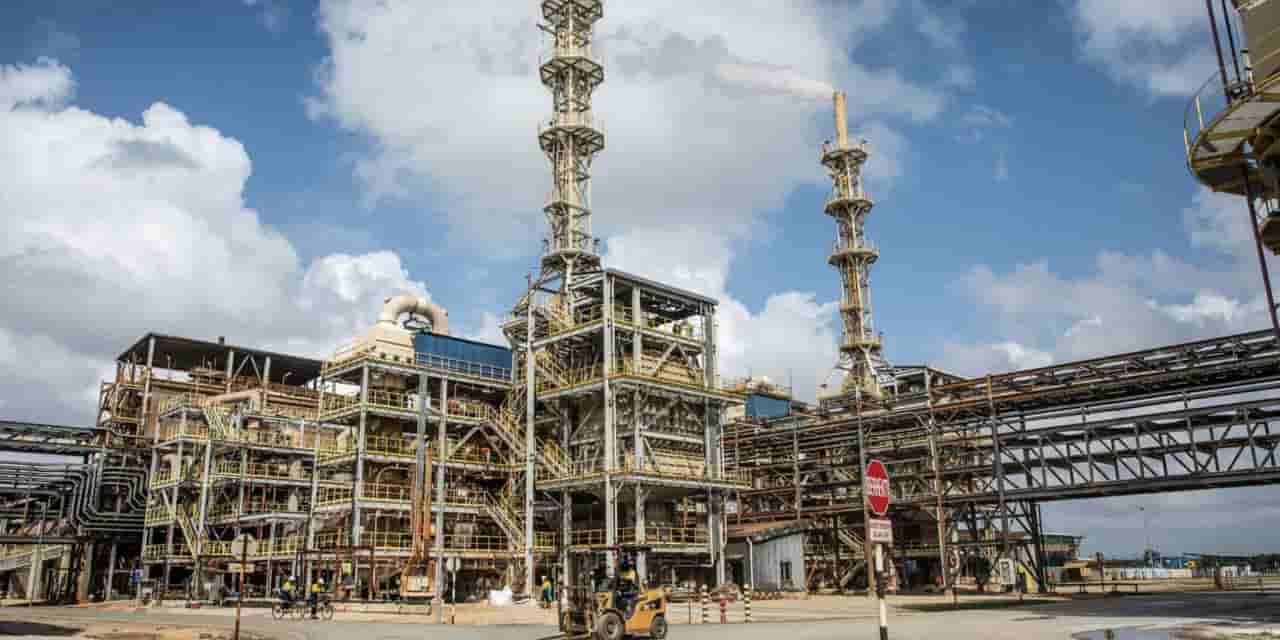
Malaysia currently accounts for approximately 1% of global recognized rare earth reserves, a stark contrast to China's over 50%. However, the government believes that by enhancing its domestic processing capabilities, the country can secure a stronger position in global critical mineral supply chains. The nation already hosts Lynas Rare Earths' expanding processing facility, which processes ore imported from Australia, and is attracting interest from other entities like Malaysian conglomerate Berjaya Corp Bhd and France's Carester SAS for new projects.

The government estimates Malaysia holds about 16.1 million tonnes of inferred rare earth reserves, valued at approximately MYR970 billion (USD 237 billion). Efforts are underway to map these deposits, many of which are located within protected forest areas, while exploring extraction methods that minimize environmental impact.

Frequently asked questions

Malaysia is considering easing restrictions to attract foreign investment and technology transfer, aiming to strengthen its position in the global critical minerals supply chain amidst rising international demand and concerns over China's potential export controls.

Any relaxation of export restrictions would be conditional on foreign investment commitments and technology transfer that support the development of Malaysia's domestic rare earth industry. Exported materials would likely be used for research and development outside Malaysia.

Malaysia aims to establish itself as a regional hub for critical minerals by 2030, diversifying supply sources and mitigating risks associated with over-reliance on a single supplier.

Malaysia accounts for about 1% of global recognized rare earth reserves, while China holds more than 50%.

What Happens Next

01Malaysia will continue to assess the feasibility of adjusting its rare earth export policy.
02The government will evaluate foreign investment commitments and technology transfer proposals.
03Malaysia aims to establish itself as a regional critical minerals hub by 2030.
CME Headlines
  • Soybean futures hit new 3-year high on strong export demand.
    2 Sep · 9:17 PM
  • Soybean futures hit new 3-year high on strong export demand.
    2 Sep · 9:17 PM
  • Live Cattle Futures Slide as Beef Imports Weigh on Prices
    2 Sep · 8:53 PM

How It Developed

Malaysia imposed a moratorium on raw rare earth exports in 2024 to boost domestic processing.
Global competition for critical minerals has intensified, with countries seeking alternatives to China.
Malaysia is considering easing export restrictions on unprocessed rare earths.
Any policy change would be conditional on foreign investment and technology transfer.
Malaysia aims to become a regional critical minerals hub by 2030.
Foreign interest in Malaysia's rare earth sector is growing, including from the US, Australia, France, and India.
Lynas Rare Earths operates a processing facility in Malaysia, processing ore imported from Australia.
Berjaya Corp Bhd and Carester SAS are also exploring rare earth projects in Malaysia.

Sources

T1
Malaysia draws global critical minerals interest as China curbs loomNikkei Asia
T2
Malaysia considers easing rare earth export curbs amid rising global demand | AL Circle | AL Circle Newsalcircle.com
T2
Malaysia: A Quiet Center of Gravity in the Next Rare Earth Supply Global Ordering - InvestorNewsinvestornews.com
T2
Malaysia mulls easing rare earth export curbs to meet demand - MINING.COMmining.com

Related Stories

Turkey pivots to US oil and diesel as Russian supplies falter
2 Sep · 6:21 PM
China Launches Coke Options to Expand Ferrous Risk Management
2 Sep · 7:36 PM
White Hydrogen Drilling Push Gains Momentum Across Three Continents
3 Sep · 12:51 AM
China's oil demand drop aids emissions reduction amid Iran conflict
2 Sep · 11:11 PM
China's New Pinglu Canal Aims to Boost ASEAN Shipments
2 Sep · 12:06 PM