Key facts
- Asian demand for Middle Eastern crude has pushed Dubai futures near $100 per barrel.
- Saudi Arabia's oil exports are at their lowest point since 2017.
- Murban futures traded at $106.10 and DME Oman futures at $99.18 per barrel.
- Spot LNG prices for Asia reached nearly $26 per million British thermal units.
- QatarEnergy extended force majeure on LNG deliveries due to Strait of Hormuz transit issues.
Asian demand for Middle Eastern crude grades, particularly from China and India, is driving Dubai futures close to $100 per barrel. Major refining companies like Indian Oil Corp. and PetroChina, along with refiners in South Korea and Japan, are fueling this increased buying activity. This surge is occurring despite escalating geopolitical tensions between the United States and Iran and Saudi Arabia's oil exports falling to their lowest point since 2017. Some oil cargoes are facing delivery delays from August into September and October, potentially supporting further price increases. Murban futures, the UAE benchmark, traded at $106.10 per barrel, and DME Oman futures were at $99.18 per barrel. These price increases for Middle Eastern grades contrast with a recent dip in Brent and West Texas Intermediate futures, which analysts attribute to a perceived pause in U.S.-Iran strikes and anticipated de-escalation, despite President Trump's statements indicating readiness for further action.
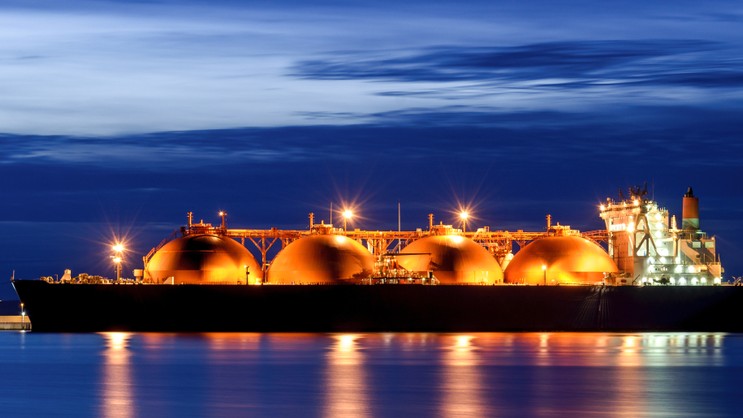
Simultaneously, spot LNG prices for Asia have surged to nearly $26 per million British thermal units, a 5% weekly gain, following renewed strikes between the U.S. and Iran. QatarEnergy extended force majeure on its LNG deliveries into November due to blocked transits through the Strait of Hormuz. South Asian buyers, including Pakistan and Bangladesh, are actively seeking spot LNG to replace term supply that cannot leave the Persian Gulf. Utilities in South Korea, India, Taiwan, and Bangladesh are also looking to purchase spot cargoes for October and November. Pakistan rejected an LNG offer above $27 per mmBtu as too high. With ongoing Middle East developments suggesting a return to normal LNG flows is unlikely and a seasonal increase in gas demand, prices are expected to rise further, potentially pricing out some buyers in both Asia and Europe.