Key facts
- China's state-owned oil companies are expanding investments in Brazil's pre-salt offshore oil basin.
- Chinese firms secured stakes in three deepwater oil blocks during a Brazilian auction.
- Investments in Brazil by Chinese companies totaled $4.18 billion in 2024, with oil accounting for 25% and renewables 34%.
- Since 2007, Chinese firms have invested $77.5 billion in Brazil, with oil and power sectors being dominant.
- Brazil became the top emerging market for Chinese investments in 2024.
China's major state-owned energy companies are expanding their footprint in Brazil, securing stakes in offshore oil blocks and increasing investments in both fossil fuels and renewable energy. This strategic move is part of a broader effort by Beijing to diversify crude oil imports away from the Middle East and enhance its overall energy security.
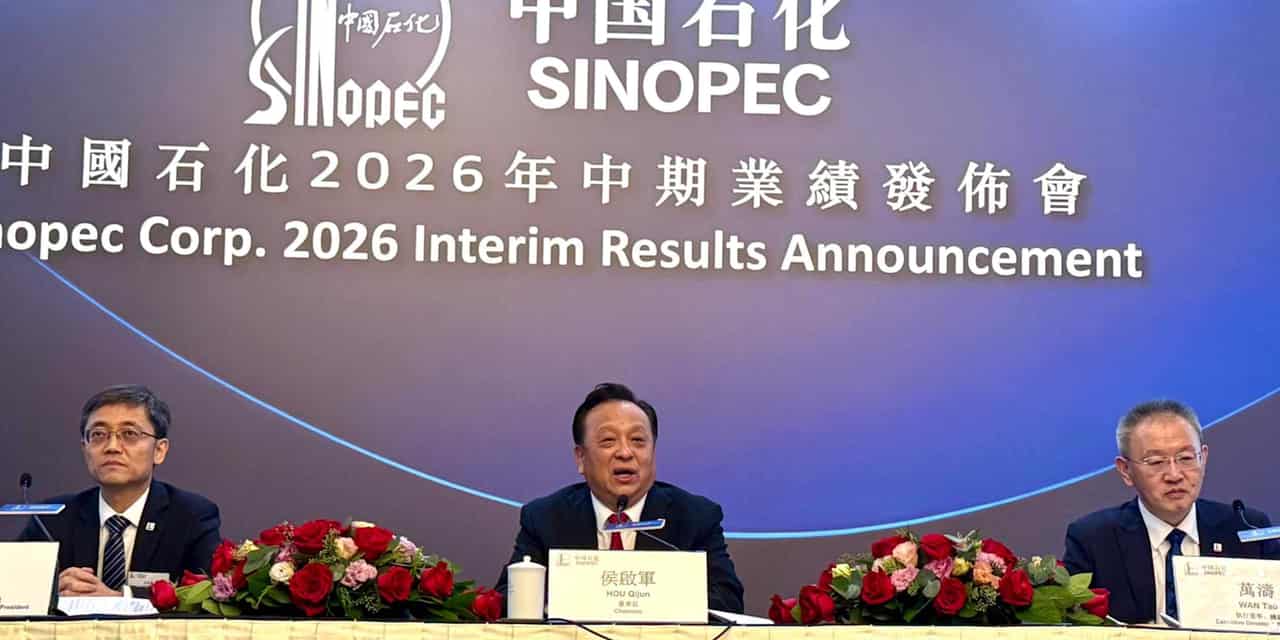
Chinese firms, including China National Petroleum Corp, China Petroleum & Chemical Corp (Sinopec), and China National Offshore Oil Corp, have won rights to three blocks in Brazil's prolific pre-salt offshore oil basin. These blocks, such as Peroba and Sapinhoa, hold billions of barrels of oil and are expected to attract significant investment. Analysts note that China's demand for crude, coupled with its technological and capital resources, makes Brazil an ideal partner, aligning with the Belt and Road Initiative.
Beyond oil and gas, Chinese companies are also heavily investing in Brazil's renewable energy sector, particularly solar and wind projects, which attracted the largest share of Chinese investment in 2024. This dual focus on fossil fuels and renewables is seen as a pragmatic approach to powering China's energy transition, which still relies on traditional energy sources. The increased investment underscores the growing economic ties between China and Brazil, with Brazil becoming a top emerging market for Chinese capital.
Since 2007, Chinese firms have invested over $77.5 billion in Brazil across more than 300 projects, with the power sector leading, followed by oil and manufacturing. This expansion is supported by closer diplomatic ties under Brazilian President Luiz Inacio Lula da Silva, who is actively pursuing stronger relations with China.