Key facts
- Lula's re-election is seen as a positive for Brazil's trade push into Southeast Asia.
- Vietnam and Indonesia are pursuing preferential trade agreements with Mercosur.
- Negotiations over tariffs and agricultural access within Mercosur are expected to be difficult.
- The US imposed 25% tariffs on Brazilian goods starting July 22, 2026.
- Brazil's budget deficit is a key economic vulnerability.
- China is Brazil's largest trading partner.
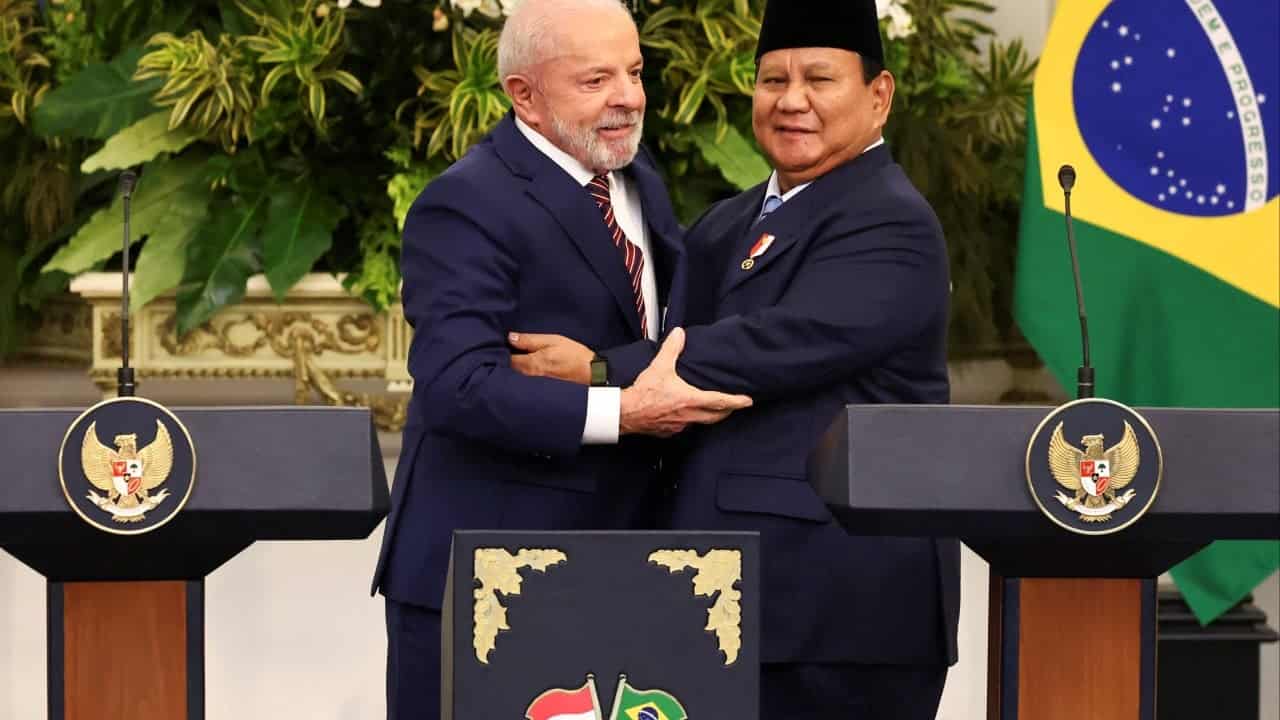
Brazilian President Luiz Inacio Lula da Silva secured re-election for a fourth term on October 14, 2026, with 51.8% of the vote. His victory is expected to provide continuity for Brazil's trade initiatives with Southeast Asia, particularly as Vietnam and Indonesia seek preferential trade agreements with Mercosur. However, analysts anticipate that gaining better access to Mercosur markets will involve difficult negotiations over tariffs and agricultural trade, complicated by internal political differences within the bloc.
The United States imposed new Section 301 tariffs of 25% on thousands of Brazilian goods starting July 22, 2026, which Lula has criticized as political interference. Brazil's economy faces challenges, including a budget deficit nearing 10% of GDP. China remains Brazil's largest trading partner, with bilateral trade reaching a record $171 billion in 2025. Brazil holds significant rare-earth reserves, and a new law enacted on September 16, 2026, aims to coordinate state efforts in critical minerals.