Key facts
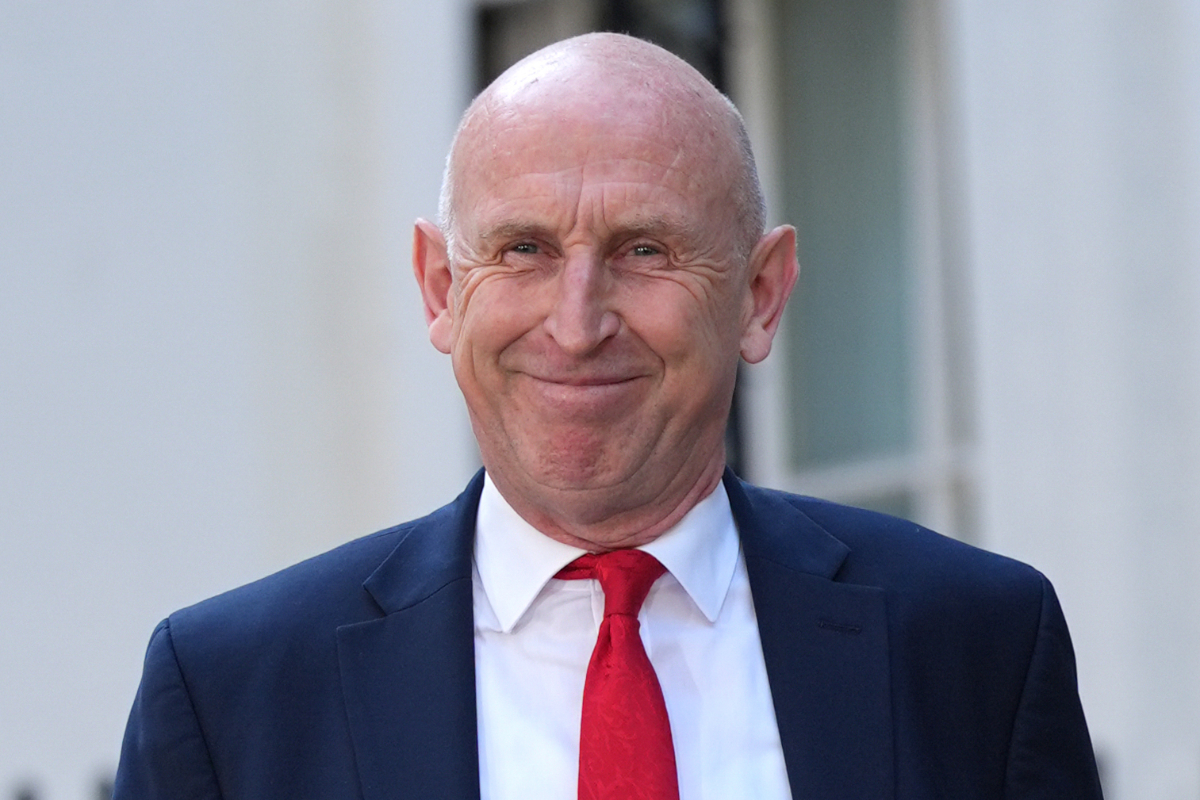
- John Healey has been appointed as the UK's Chancellor, a surprise to many.
- Healey previously held roles as economic secretary and financial secretary to the Treasury.
- In 2006, Healey spoke in favor of light-touch regulation for the City of London.
- Healey faces challenges including aggressive spending demands and pressure to balance the budget.
- There is a low appetite for further tax hikes among the public and politicians.
- Gilt yields have started to increase following Healey's appointment.
John Healey's unexpected appointment as the UK's Chancellor has been met with a mix of surprise and scrutiny, particularly given the economic challenges he inherits. His past advocacy for light-touch regulation in the City of London, noted in a 2006 parliamentary debate, stands in contrast to the current environment where politicians are less inclined to defend the financial sector against public or political pressure.
Healey's tenure is expected to be difficult, marked by aggressive spending demands from within his own government, particularly from figures like Andy Burnham, who has a history of making policy announcements before securing funding. This puts Healey under immense pressure to balance the books and maintain the confidence of bond markets, a task complicated by a public and political reluctance to accept further tax increases.
The appointment comes at a time when gilt yields have already begun to creep up, reflecting the City's assessment of the significant challenges ahead. While the situation is not as dire as the 1976 economic crisis that led to an IMF bailout under the first Chancellor Healey, Denis Healey, the current economic landscape of 2026 presents its own set of formidable pitfalls.