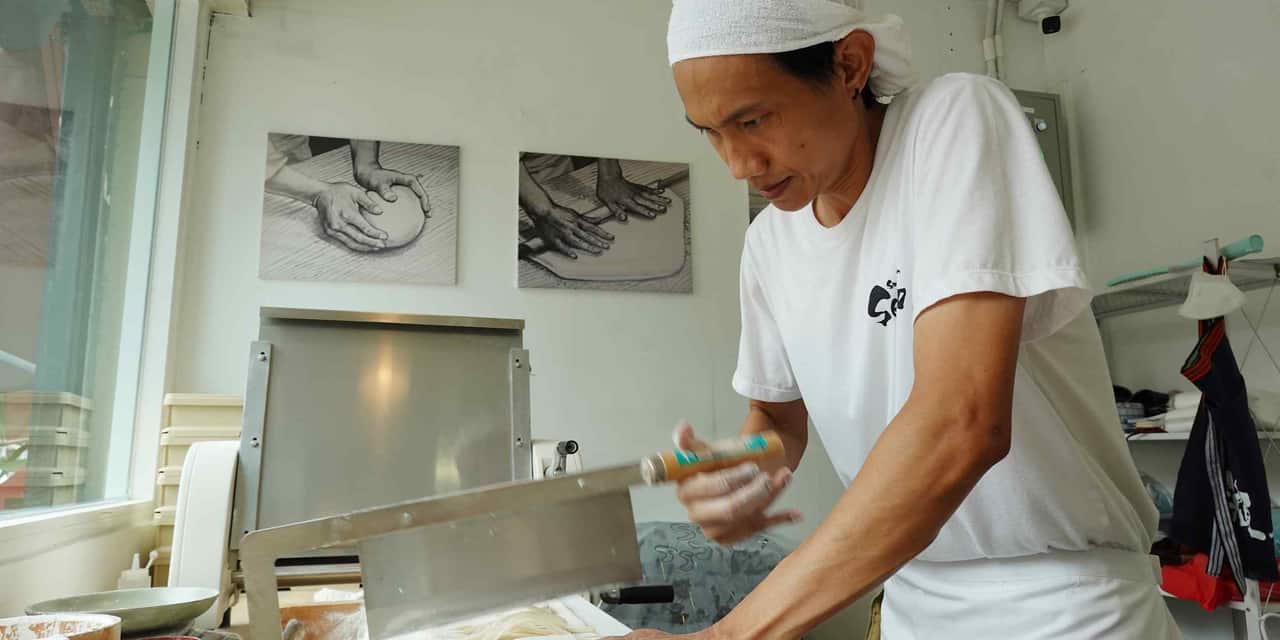
Key facts
- Sanuki udon, a specialty from western Japan, is seeing increased popularity in Thailand.
- New businesses are opening to serve this type of udon noodle.
- The rise of Sanuki udon follows the established success of sushi and ramen restaurants in Thailand.
- Sanuki udon is characterized by thick, firm, and bouncy noodles, often served in a broth made from dry sardines, kelp, and other dry fish ingredients, seasoned with soy sauce.
Thailand's culinary landscape, already rich with Japanese eateries serving sushi and ramen, is now embracing Sanuki udon. This specific style of udon, originating from western Japan's Kagawa prefecture, is characterized by its thick, firm, and bouncy noodles and a distinct broth typically made from dry sardines, kelp, and other dry fish, seasoned with soy sauce. While udon has historically been a more niche offering compared to its noodle counterparts, a new wave of restaurant openings indicates a growing consumer interest. This trend mirrors the earlier success of sushi and ramen, suggesting a strong appetite for Japanese cuisine among both locals and expatriates in Thailand. The simple yet satisfying nature of Sanuki udon, often considered a soul food in its home region, appears to be resonating with the Thai market. The traditional practice of slurping udon noodles, seen as a sign of enjoyment and appreciation in Japanese culture, is also a notable aspect of the dining experience.