Key facts
- Arcades are filling claw machines with everyday items like eggs, rice, and detergent.
- The trend aims to make essential purchases more entertaining and cost-effective for families.
- The prize game market in Japan reached 417.7 billion yen ($2.7 billion) in 2024.
- Benex has seen revenue from household product sales increase 2.6-fold in two years.
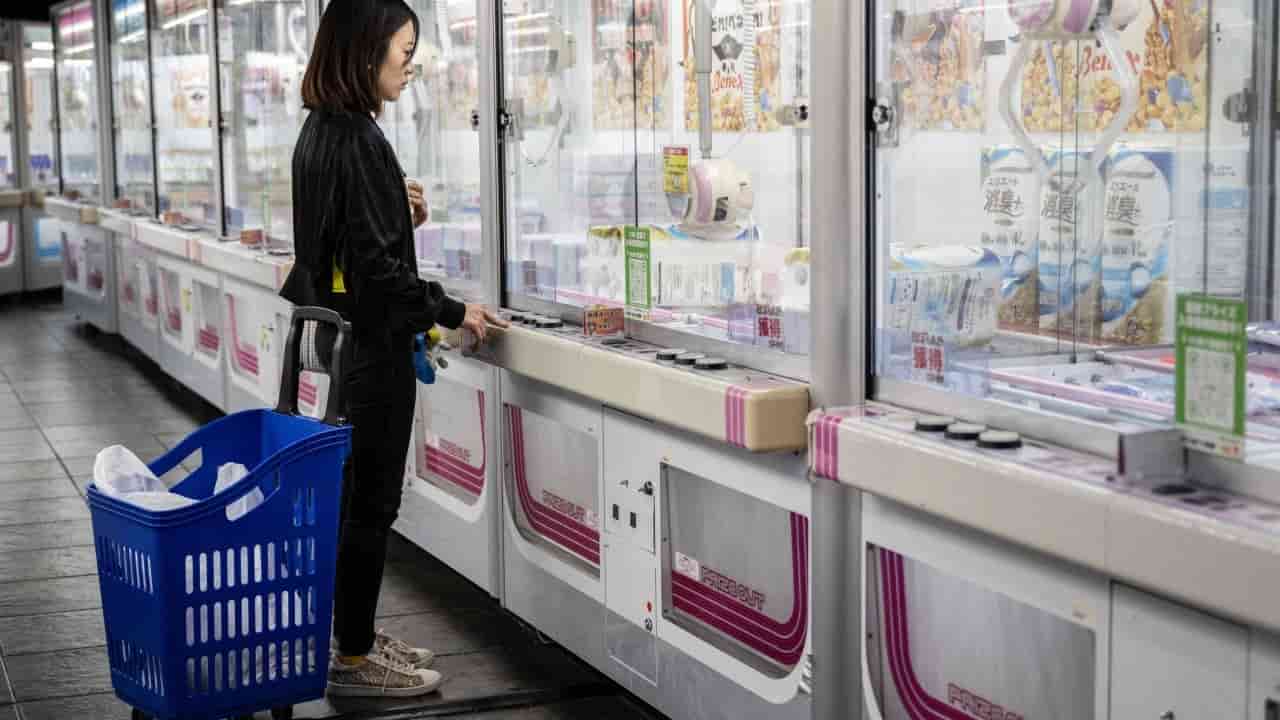
As inflation pressures Japanese households, arcades are adapting by filling claw machines with everyday necessities like eggs, rice, and detergent. These "shop-and-play destinations" aim to merge essential buying with entertainment, allowing families to feel they are getting a bargain while enjoying a day out. Minae Kamata, a 25-year-old housewife, won a pack of toilet paper after two attempts, noting that "If you're a bit lucky, it's the same as buying at a discount." Experts suggest this trend is a response to prolonged inflation where prices have outpaced wage growth, leading consumers to cut back on discretionary spending. Retailers are thus trying to make purchasing fun to encourage buying and ease a sense of guilt. The prize game market in Japan has already been booming, doubling in 10 years to reach 417.7 billion yen ($2.7 billion) in 2024, and now constitutes nearly 70 percent of arcade revenues. Chains like Benex, which has shifted its focus entirely to claw machines, report a 2.6-fold increase in revenue from household product sales in two years. Large retailers such as Aeon Fantasy are also expanding their offerings of food and household prizes.