Key facts
- Workers in Pakistani garment factories face extreme heat and dangerous conditions.
- A new Pakistan Accord aims to improve factory safety, with over 30 brands committed.
- A previous report found significant fire safety deficiencies in Pakistani factories.
- Some global fashion brands are accused of unfair trading practices and low payments to suppliers.
- The Pakistan Accord is based on a successful model implemented in Bangladesh.
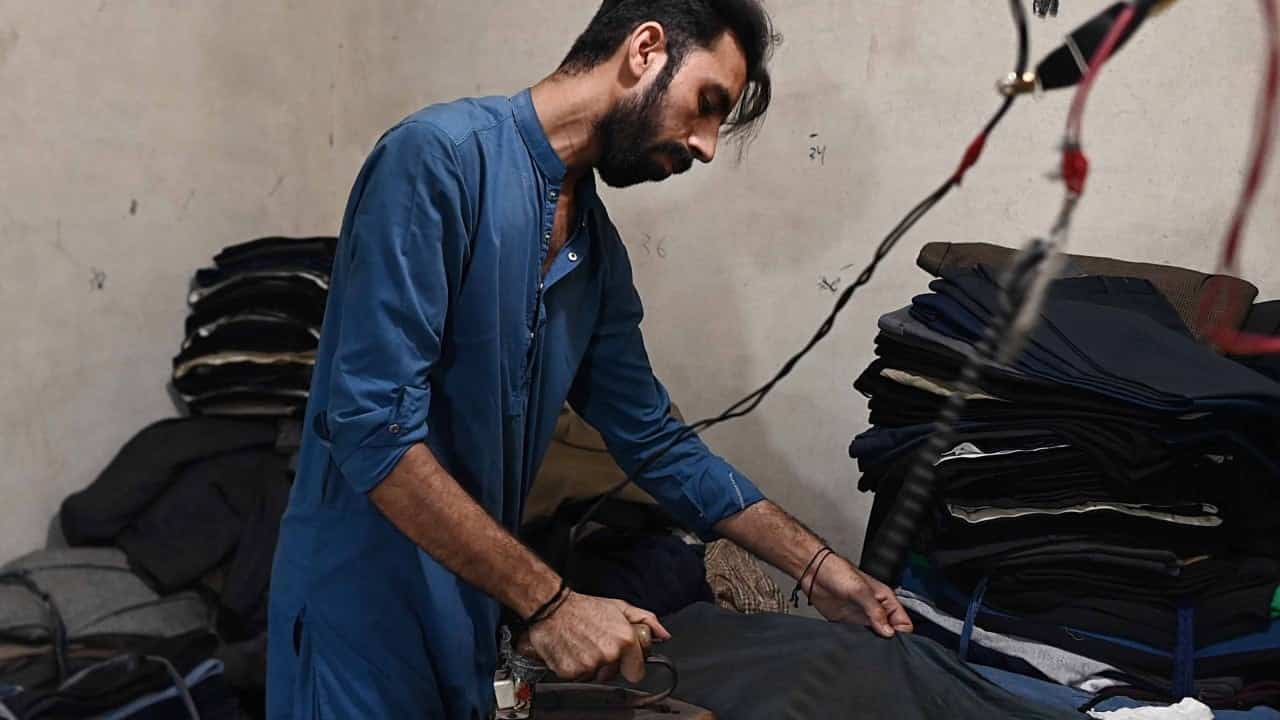
Garment workers in Pakistan are facing extreme heat and unsafe conditions in factories that produce clothing for global fashion brands. One worker, identified as Siddiqui, described feeling suffocated in a sweltering Karachi factory where a supervisor urged her to continue working despite the conditions.
In response to ongoing safety concerns, over 30 major fashion brands, including H&M and Zara, have committed to the Pakistan Accord, a binding safety program designed to improve factory conditions. This initiative is based on a successful model implemented in Bangladesh. However, a recent study highlighted that some brands, such as GAP and H&M, have engaged in unfair trading practices, including paying suppliers below production costs, which can impact worker welfare.
Reports indicate significant safety issues in Pakistani factories, with a substantial percentage of surveyed workers lacking access to proper fire exits and fire drills. Unions have long advocated for better safety agreements, and the Pakistan Accord aims to establish a complaint mechanism and ensure effective safety inspections.