Key facts
- Japan is considering reviving naphtha stockpiling due to supply disruptions from Middle East conflict.
- Naphtha is a key raw material for plastics and paints.
- Japan imports 40% of its naphtha from the Middle East, with another 40% produced domestically from regional crude oil.
- The closure of the Strait of Hormuz has significantly impacted naphtha imports.
- Long-term storage of naphtha is challenging due to its volatility and evaporation.
- The government is exploring increased crude oil stockpiling as an alternative to secure naphtha supply.
- Japan has become a net importer of basic petrochemicals as imports from China and South Korea become more economical.
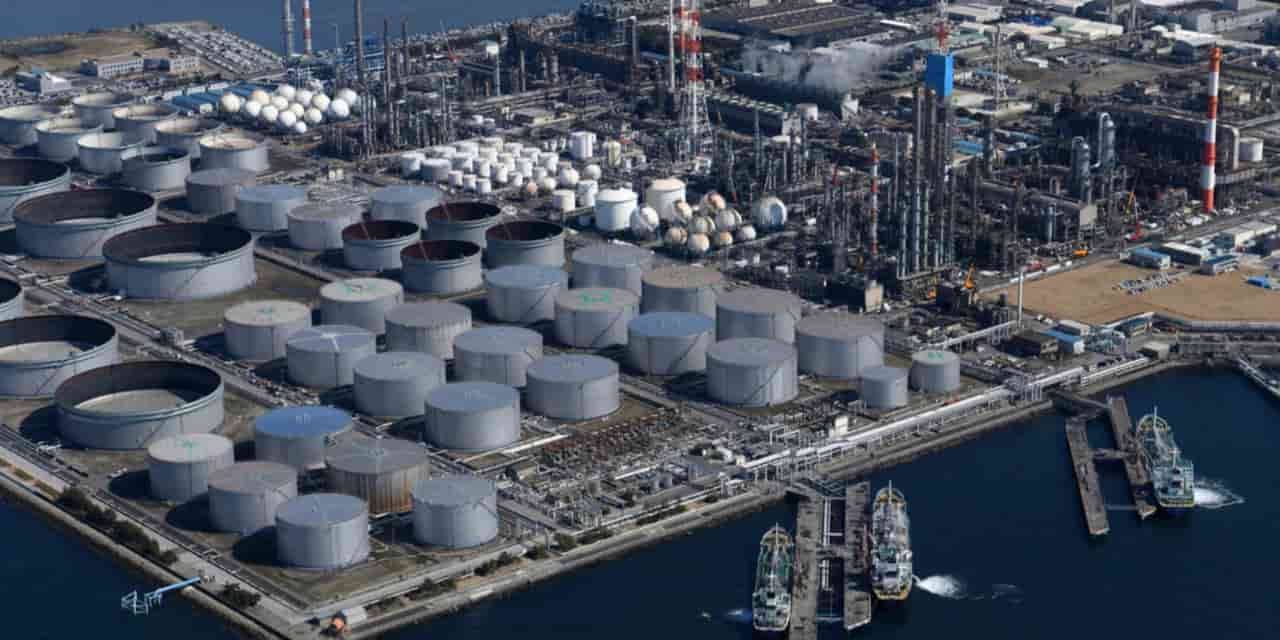
Japan is exploring options to establish naphtha reserves following supply disruptions caused by the conflict in the Middle East and the de facto shutdown of the Strait of Hormuz. The government is considering reviving a stockpiling system, which was previously in place for naphtha similar to crude oil but was abolished in 1993 at the petrochemical industry's request due to high costs.
Naphtha is an essential raw material for products like plastics and paints, and shortages have already affected Japan's housing and construction sectors. The country procures approximately 40% of its naphtha through imports from the Middle East, with a similar amount produced domestically from crude oil sourced from the same region. This reliance makes Japan vulnerable to geopolitical instability in the area.
Economy, Trade and Industry Minister Ryosei Akazawa announced on July 7, 2026, that the government would consider building naphtha reserves. However, storing naphtha, which is volatile and evaporates easily, presents significant technical challenges. The Ministry of Economy, Trade and Industry is exploring methods such as storing it in pellet form or increasing crude oil stockpiling to ensure a supply that can be allocated to naphtha production. Manabu Chikumoto, chairman of the Japan Petrochemical Industry Association, stated that stockpiling naphtha in liquid form is 'not very realistic.'
The issue of who will bear the substantial storage costs remains a key point of discussion, involving multiple industries. The government aims to reach a decision on these matters as soon as possible.
Japanese imports of basic petrochemicals used in products such as plastics have surged, with purchases from China and South Korea becoming more economical as the Iran war disrupts supplies of crude oil-derived naphtha. Importing petrochemicals instead of producing them from naphtha makes it easier to adjust procurement to meet downstream demand.