Key facts
- China has significantly reduced crude oil imports to a decade low in June.
- China is drawing down its substantial oil reserves to meet demand.
- The U.S. Strategic Petroleum Reserve (SPR) has fallen to its lowest level since 1983.
- Global oil inventories are critically low, with few remaining buffers.
- The Strait of Hormuz faces ongoing disruption risks, impacting global oil supply.
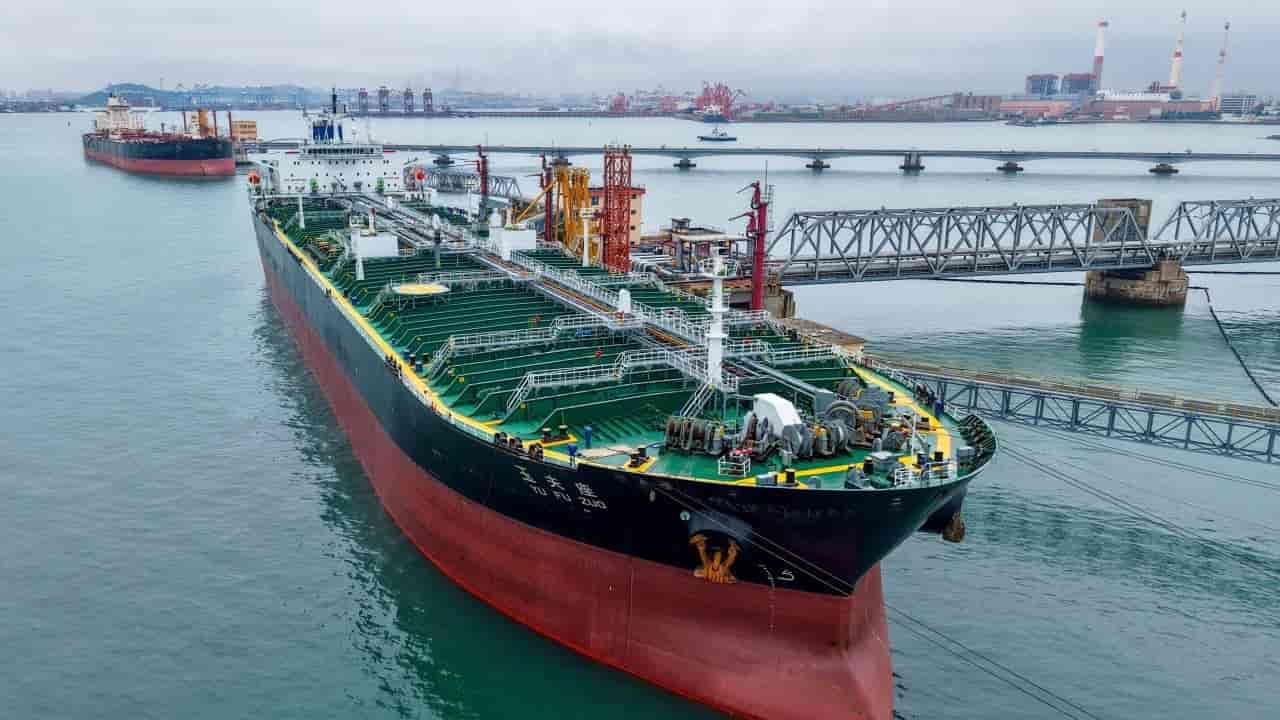
The global oil market faces heightened risk of price surges as key supply buffers dwindle. China, the world's top crude importer, has significantly reduced its purchases, hitting a decade low in June, and has been drawing down its substantial reserves amid the ongoing conflict involving Iran. This absence of China as a major buyer, coupled with disruptions to flows through the Strait of Hormuz, removes a critical demand cushion that previously capped oil price gains.
The U.S. Strategic Petroleum Reserve (SPR) has also reached a 43-year low, having released 172 million barrels since March due to the Iran conflict. Overall, global oil stocks have seen drawdowns of an estimated 600-700 million barrels since the crisis began, leaving the market with "close to nothing" in excess inventories, according to market intelligence firm Energy Aspects. The situation is exacerbated by the potential for renewed U.S. blockades on Iranian oil exports and the continued slowing of ships transiting the Strait of Hormuz, a vital chokepoint for global oil supply.
The International Monetary Fund warned that the buffers that helped prevent a larger price spike in the second quarter are now running low. Unless inventories are replenished, the world will start from a weaker position when the next shock comes. ING commodities strategists noted that SPR releases, which have offered some relief during the war, are set to cease around the end of this month, further exposing the market.