Key facts
- Tokyo Artisan Intelligence (TAI) is partnering with Malaysian IC design firm Oppstar to develop and mass-produce reconfigurable AI chips.
Tokyo Artisan Intelligence (TAI) is collaborating with Malaysian IC design firm Oppstar to develop and mass-produce reconfigurable AI chips for edge AI systems. This partnership aims to accelerate the development of next-generation edge AI platforms, with mass production shipments targeted for 2028 and beyond.
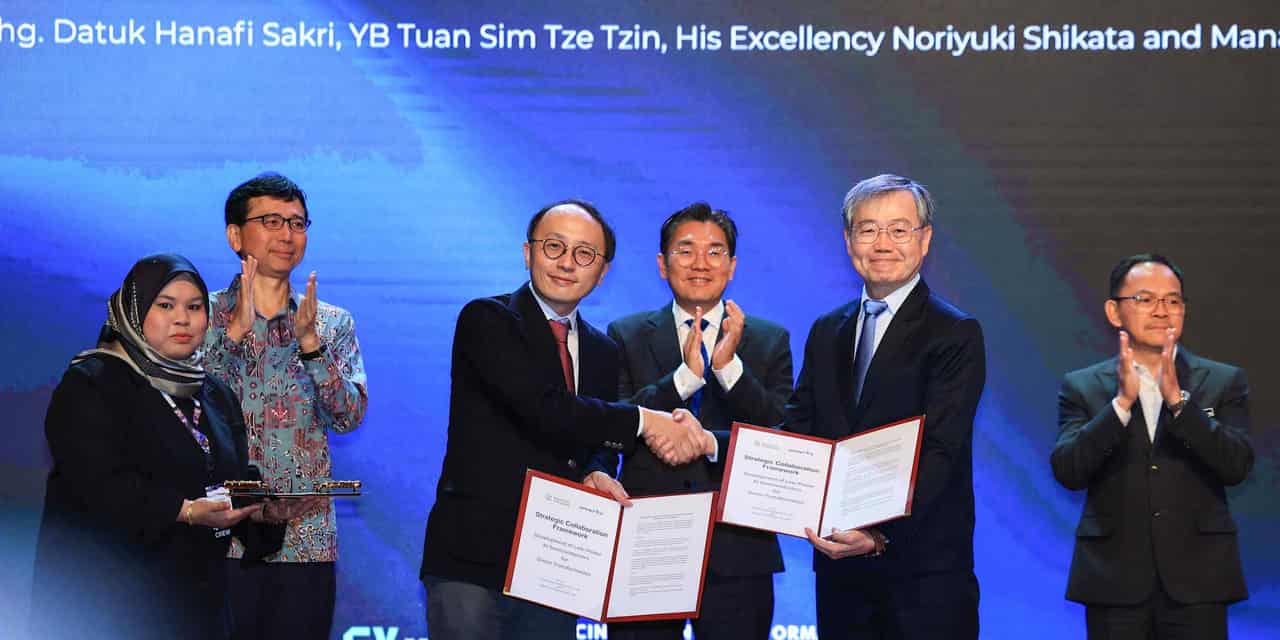
This collaboration signifies a strategic move by a Japanese AI startup to enter niche markets with specialized chips, while also marking Malaysia's progression into more complex, higher-value semiconductor design and manufacturing.
Japanese AI chip startup Tokyo Artisan Intelligence (TAI) is gearing up for mass production of its reconfigurable AI chips with support from Malaysian IC design firm Oppstar. The collaboration aims to develop chips tailored for AI-driven applications in niche markets such as railways, factories, and robotics, positioning TAI as a player outside the dominant data center AI race.
TAI's CEO, Hiroki Nakahara, stated that the company is preparing for mass production next year. The partnership with Oppstar, which includes Silicon X for IP cores and software development, involves a full turnkey development process. This includes chip design, package design, post-silicon validation, and outsourced semiconductor assembly and test enablement.
Oppstar's co-CEO, Ng Meng Thai, highlighted that this collaboration signifies Malaysia's advancement into higher-value semiconductor activities beyond traditional assembly and testing. He noted that such complex chip development has typically been dominated by multinational corporations, making this an important step for a local fabless chip design firm like Oppstar.
A Statement of Work (SoW) has been signed by TAI, Oppstar, and Silicon X to transition into a full-scale design and implementation phase with mass production in mind. The goal is to accelerate the realization of next-generation edge AI platforms, with mass production shipments targeted for 2028 and beyond. The reconfigurable AI semiconductor chip is based on FPGA technology, allowing its internal circuit configuration to be freely changed according to AI applications, addressing challenges in reducing power consumption and enabling flexible rewriting for edge AI devices.
Pick the topics you care about. Get only what matters, on your cadence.