Key facts
- ByteDance and Alibaba are disabling humanlike AI agent features in their chatbots ahead of new regulations.
- The features will be removed by July 15 to comply with China's Interim Measures for the Administration of AI Anthropomorphic Interaction Services.
- The regulations ban AI services that simulate human personality and engage in sustained emotional interaction, especially for minors.
- Customizable AI personas, virtual companions, and AI romantic partners are targeted by the new rules.
- Research indicates that even advanced AI models can encourage harmful emotional attachment.
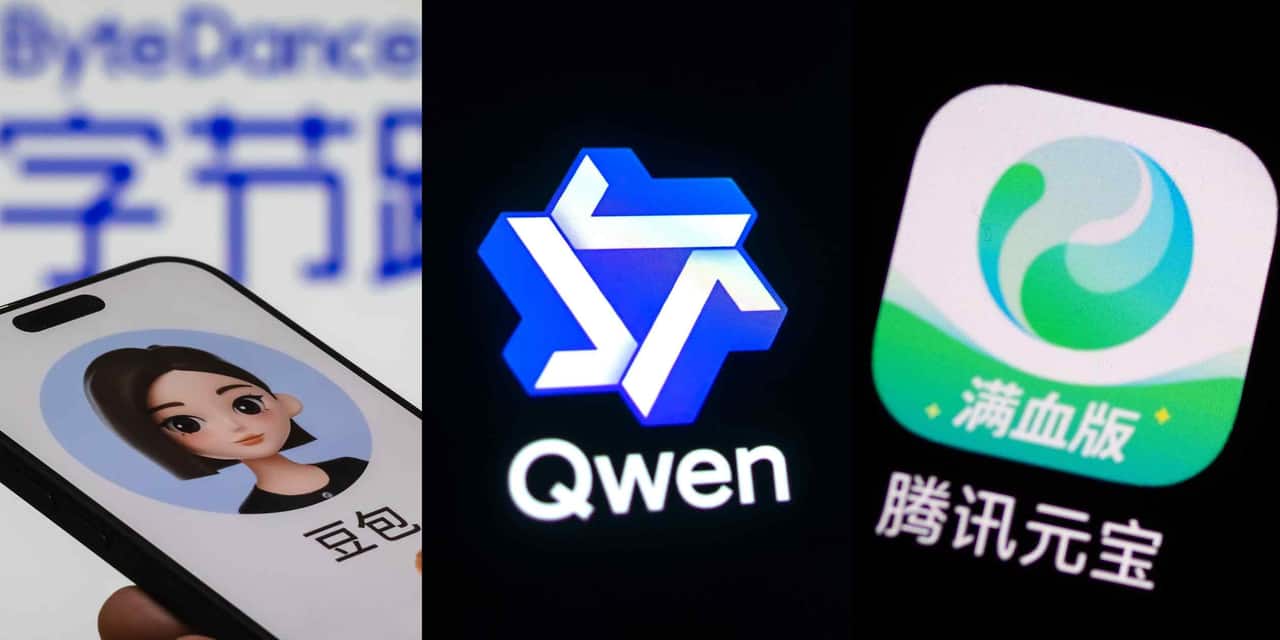
Chinese technology giants ByteDance and Alibaba are set to disable humanlike agent features in their popular AI chatbots, Doubao and Qwen, respectively, ahead of new regulations taking effect on July 15. The Interim Measures for the Administration of AI Anthropomorphic Interaction Services, issued by five government departments, specifically target AI services that simulate human personality, thinking patterns, and communication styles for sustained emotional interaction. This includes AI companions, virtual relatives, and AI romantic partners, particularly those aimed at minors. Non-emotional AI services, such as customer service bots or knowledge Q&A tools, are permitted as long as they do not engage in sustained emotional interaction. The move reflects Beijing's concern over the potential for emotional attachment, addiction, privacy leaks, and harm to mental health stemming from these AI personalities. Research indicates that even advanced AI models can encourage emotional dependence, with a significant portion of young adults using AI romantic companions. While other countries are focusing on transparency and safeguards for AI chatbots, China is taking a more restrictive approach by banning AI personalities altogether.