Key facts
- Japan plans to allow foreign trainees to work as airport ground crew.
- This move is part of the new Employment for Skill Development program, starting April 2027.
- The program aims to address labor shortages in the aviation sector.
- 300 workers will be shifted from the Specified Skilled Worker program to the new system.
- The aviation sector requires an estimated 4,900 foreign workers.
Japan is considering allowing foreign trainees to work as airport ground crew, a move aimed at providing long-term manpower to an industry grappling with labor shortages. The aviation sector is being eyed for inclusion in the new Employment for Skill Development program, slated to begin in April 2027. This initiative is designed to replace the country's previous technical intern training program and offers foreign workers a pathway to gain skills and remain in Japan for extended periods.
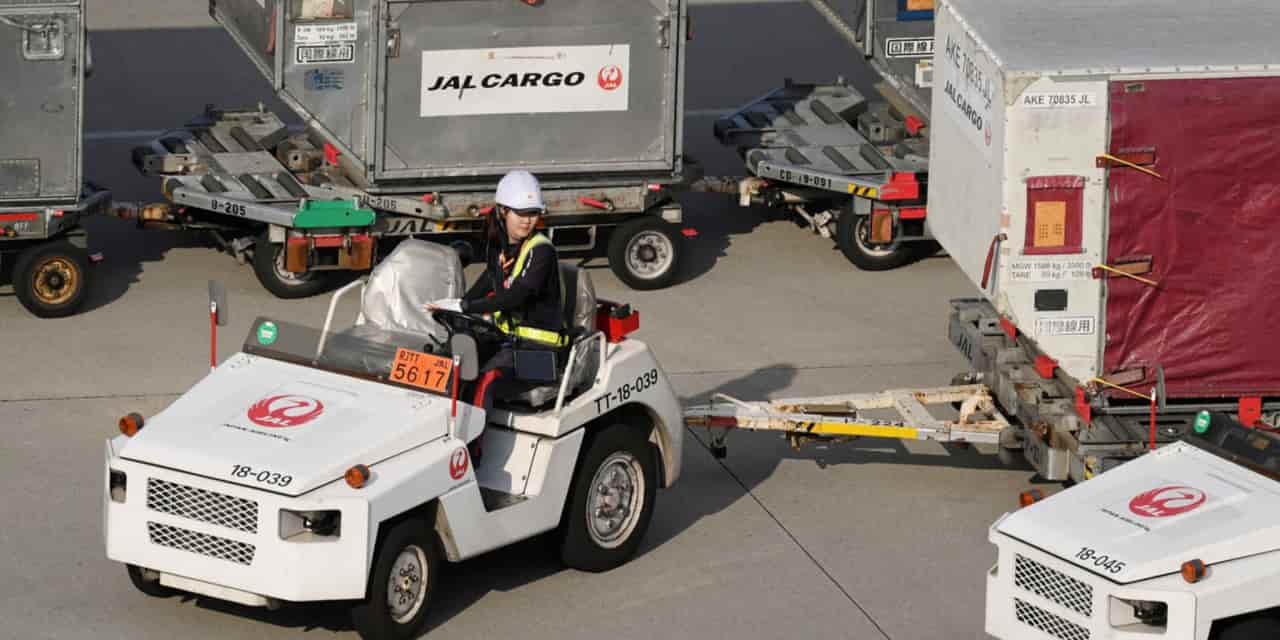
The government plans to shift approximately 300 foreign workers from the existing Specified Skilled Worker program into the new system, ensuring the overall projected intake of foreign workers remains unchanged at about 1.23 million. The aviation sector is estimated to require a total of 4,900 foreign workers, with the 300 slots allocated to the new program focusing on ground handling roles like cargo loading, excluding aircraft maintenance.
This expansion would bring the total number of industries covered by the new program to 18, joining sectors such as nursing care, agriculture, and accommodation. The government is also reviewing industrial classifications and skill requirements in other fields, including product manufacturing, construction, and fisheries, while maintaining existing intake projections where demand is already accounted for.
Separately, the Immigration Services Agency has detailed the suspension of Certificates of Eligibility for the food-service sector under the Specified Skilled Worker program. This suspension, effective April 13, was implemented as the number of workers approached the 50,000-person ceiling. Approximately 8,500 applications submitted before the halt are still under review, with priority given to residency status changes and subsequent issuance based on available capacity.