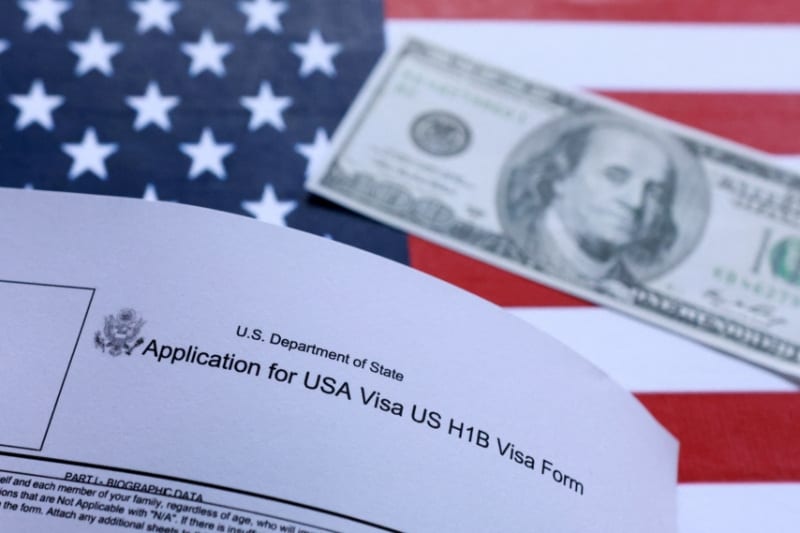
The Trump administration has proposed eliminating a 60-day grace period that allows skilled workers on H-1B visas and certain other temporary work visa holders to remain in the United States and seek new employment after losing their jobs. The proposed rule, published in the Federal Register by the U.S. Department of Homeland Security (DHS), would require these individuals to leave the country as soon as their employment ends.
This move is part of the administration's broader efforts to limit legal immigration. DHS indicated in its proposal that the jobs vacated by foreign workers could potentially be filled by American workers. The department also noted that in some cases, immigrant workers might be able to reapply if their employer petitions for them.
The existing 60-day grace period, established in 2017, provides foreign workers time to find another U.S. job or manage personal affairs before departing. H-1B visas are particularly crucial for the tech industry, which relies on them to recruit talent from countries like India and China for roles where qualified U.S. workers may be scarce.
Consultancies such as Deloitte, PwC, and Ernst & Young, along with outsourcing firms like Tata Consultancy Services, Infosys, HCL Tech, and LTIMindtree, are among the major sponsors of H-1B visas. Immigration lawyers have stated that the proposed change would significantly shorten the time HR departments have to manage layoffs and offboarding processes for foreign national employees.
In addition to H-1B visa holders, the rule change would also affect those on E-1 international trader, E-2 commercial vehicle operator, L-1 short-term executive or manager, O-1 extraordinary ability, and TN professional worker visas. It would also apply to H-1B1 skilled workers from Singapore and Chile, and E-3 specialty workers from Australia. The proposal is now open for a two-month public comment period before it can be finalized.