Key facts
- Israel's parliamentary elections are held every four years, with seats allocated by proportional representation.
- Coalition governments are necessary as no single party has ever won an outright majority.
- Prime Minister Benjamin Netanyahu faces potential defeat in the upcoming October 27 election.
- Former military chief Gadi Eisenkot is a surging rival in the polls.
- Ultra-Orthodox Jewish parties United Torah Judaism and Shas quit the government in 2025.
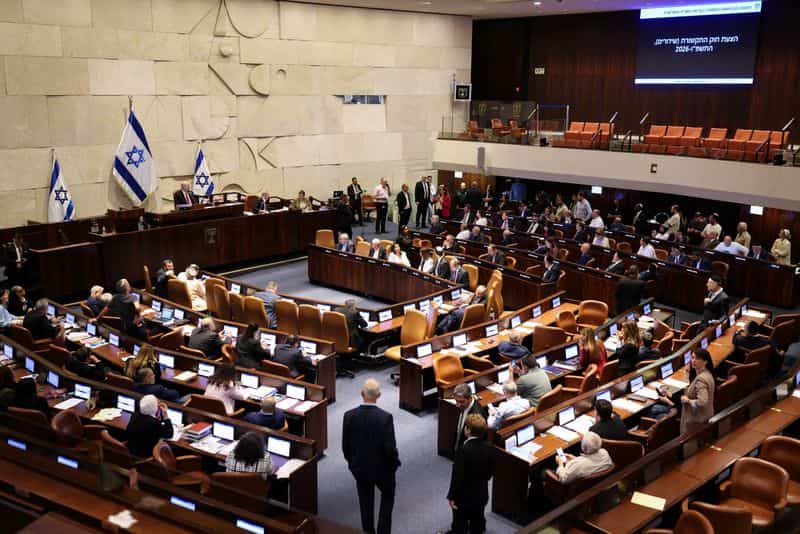
Israelis are scheduled to hold national elections on October 27, the first since the October 7, 2023 Hamas attack. While polls indicate Prime Minister Benjamin Netanyahu is likely to lose, Israel's fragmented political system often leads to complex coalition governments. Netanyahu's leadership has faced low public trust following the attacks and due to unpopular policies on religion and state. His rivals include former military chief Gadi Eisenkot, former Prime Ministers Naftali Bennett and Yair Lapid, and former defence minister Avigdor Lieberman. Israeli elections are parliamentary, with the 120-seat Knesset allocated by proportional representation, requiring parties to form coalitions as no single party has ever secured a majority. The upcoming election is notable as a Knesset is expected to complete a full term. Parties must submit their candidate lists by September, with potential changes in the political landscape.