Key facts
- A Canadian company's bid for exclusive seaweed harvesting rights in western Ireland is causing disruption.
A Canadian corporation's push for exclusive seaweed harvesting rights in western Ireland is disrupting the local industry amid surging global demand. Scientists are also working on projects to protect and restore threatened seaweed stocks worldwide due to climate change and overharvesting.
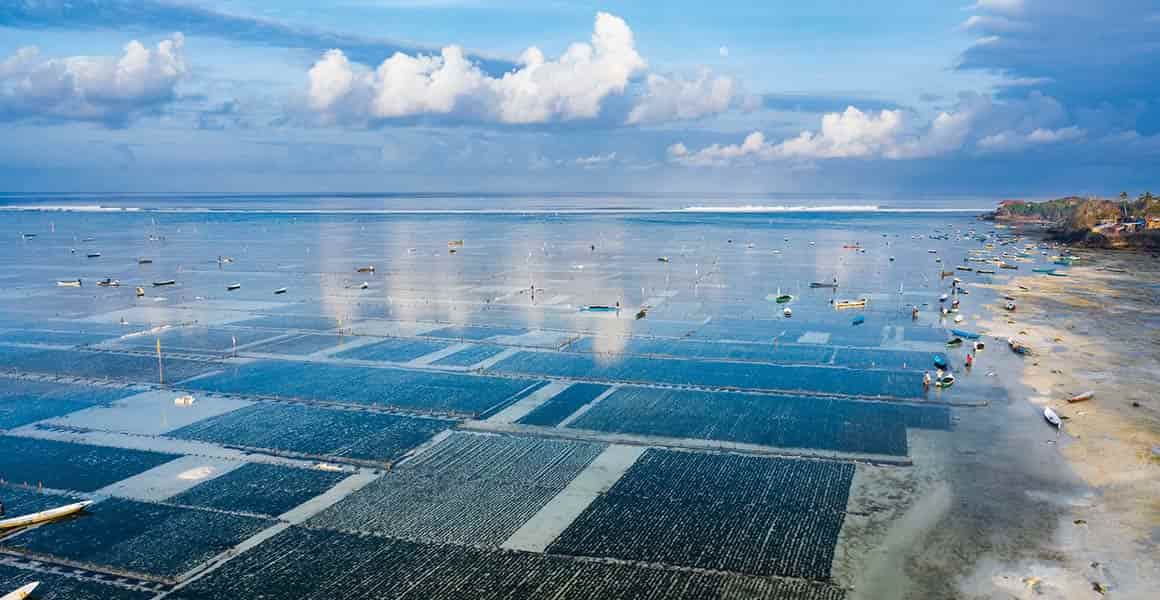
The increasing global demand for seaweed, coupled with threats to wild stocks and corporate efforts to secure exclusive harvesting rights, highlights a critical juncture for both marine ecosystems and the economies that depend on them, particularly in developing nations where women play a key role in cultivation.
A Canadian corporation's pursuit of exclusive seaweed harvesting rights in western Ireland is creating significant disruption in a region where seaweed has long been a way of life. This development occurs as global demand for seaweed escalates for use in food, medicines, and even construction materials.
Globally, seaweed stocks are facing considerable pressure. Scientists have initiated a project called GlobalSeaweed-SUPERSTAR to address threats such as climate change, pollution, overharvesting, and invasive species, which could lead to a substantial decline in seaweed populations by 2100. Despite their ecological and economic importance, wild seaweeds often lack adequate policy protection.
The seaweed industry is a growing economic force, currently valued at approximately $15 billion and projected to reach $25 billion by the end of the decade. While Asia dominates seaweed farming, over 90% of production elsewhere relies on harvesting wild stocks, a practice that can threaten populations if not managed sustainably. The value of seaweeds extends beyond their economic potential; they are crucial for marine habitats, coastal protection, and carbon dioxide absorption.
Pick the topics you care about. Get only what matters, on your cadence.