Key facts
- Four sources told Reuters no decision had been reached and the size of any price increase had not been determined.
- The first source said the proposal came from Pertamina over worries about its financial situation.
- The Government Communication Agency said the government had promised not to raise subsidised fuel prices this year, and the president had given no directive for next year.
- The Finance Ministry said through a spokesperson it had no knowledge of any discussion about the future of fuel subsidies.
- The energy subsidy budget is expected to reach 500 trillion rupiah ($27.2 billion) this year, 30% above the original allocation.
- The second source said Pertamina had not received full reimbursements for distributing subsidised fuel.
Indonesia's government is considering raising subsidised fuel prices in early 2027, the first increase in five years, four people familiar with the matter told Reuters on November 27, 2026. All four sources, two of them officials from state-linked institutions involved in the meeting, said no decision had been reached and the size of the proposed increase had not been determined.
The proposal was discussed at a meeting in the week before November 27, attended by officials from Bank Indonesia, state energy company Pertamina, sovereign wealth fund Danantara and the Coordinating Ministry for Economic Affairs, one source, a state official with direct knowledge of the discussion, told Reuters. The first source said the proposal had come from Pertamina over worries about its financial situation, and that factors being weighed included the impact on Prabowo's popularity and on Pertamina's finances.
Indonesia's Government Communication Agency, in response to Reuters queries, said the government had promised not to raise subsidised fuel prices this year, but that for next year the president had not given a directive. The Finance Ministry said through a spokesperson it had no knowledge of any discussion about the future of fuel subsidies. The economic ministry, Bank Indonesia, Danantara, Pertamina and the president's office did not immediately respond to a request for comment.
The country's energy subsidy budget is expected to balloon to 500 trillion rupiah ($27.2 billion) this year, 30% higher than originally earmarked, and the finance ministry has already said it could increase the allocation further. The second source said Pertamina had not received full reimbursements for distributing subsidised fuel, as the government tried to keep its fiscal balance in check. By law the annual budget deficit is capped at 3% of GDP, and this year's official deficit estimate is 2.85% of GDP.
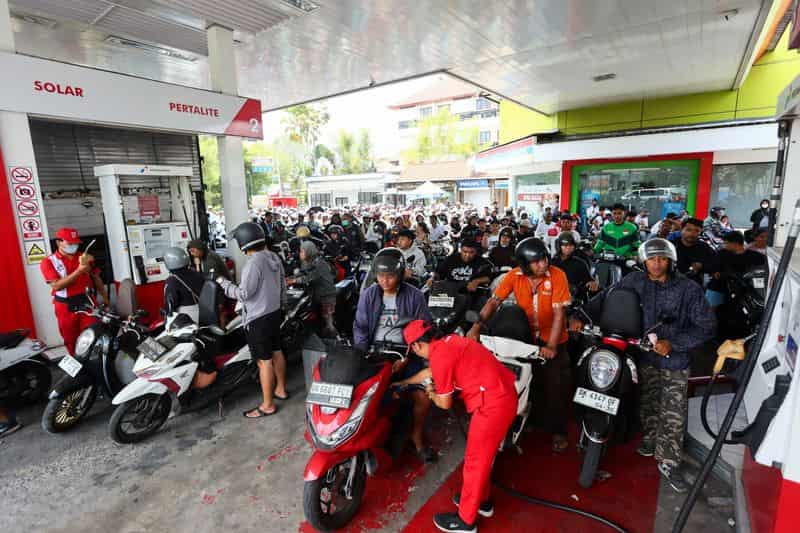
With subsidies, 90-octane gasoline is sold at 10,000 rupiah per litre, about half its estimated economic price, while diesel is sold at 6,800 rupiah per litre, less than a third of its economic price, according to the finance ministry's estimate using October prices. The energy ministry was considering an increase in the subsidised fuel volume quota, after reports of queues stretching outside fuel stations in several cities. The rupiah sank to another record low on Thursday of 18,395 to the dollar.
Raising subsidised fuel prices could hurt Prabowo's approval rating, said Djayadi Hanan, executive director of pollster Lembaga Survei Indonesia. "If the public feels economically strained, their assessment of the economic situation will be negative," he said. "When it is negative, it politically leads to public dissatisfaction with the government's performance, especially the president."