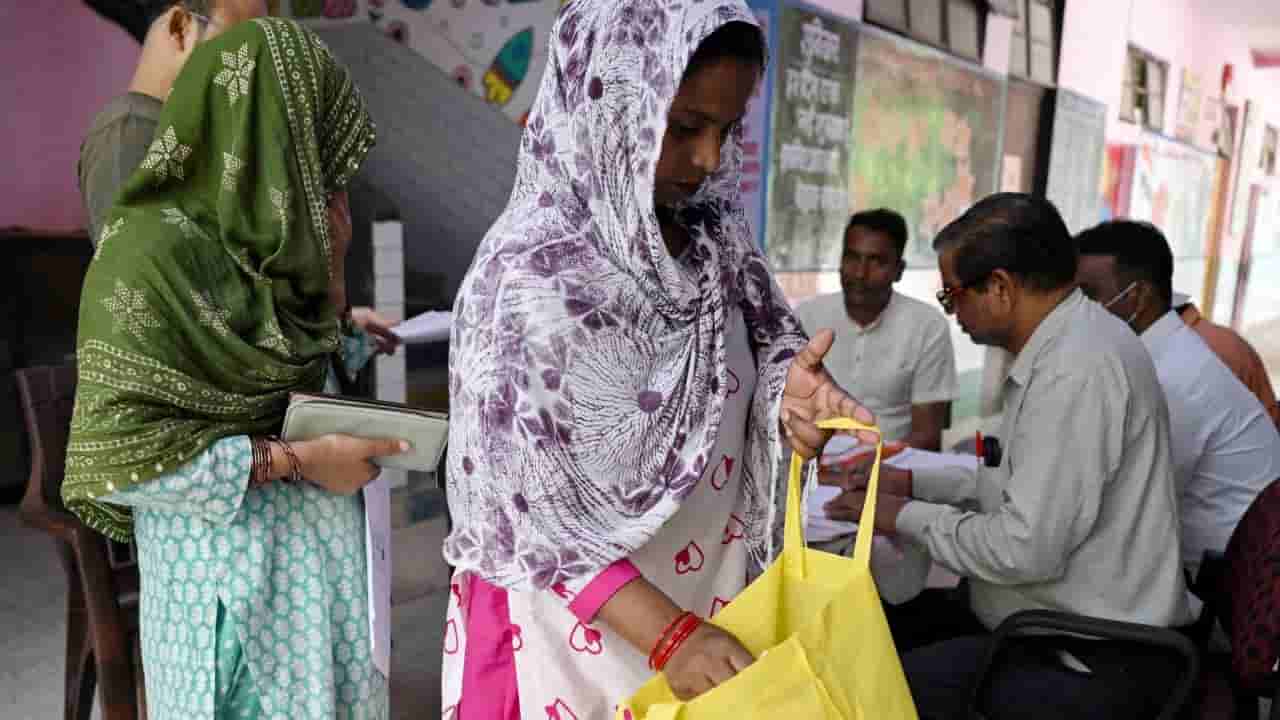
Key facts
- Millions of voters must re-establish credentials to remain on India's electoral rolls.
- Critics allege the process disproportionately affects marginalized voters, including minorities.
- Over 133 million names were excluded from revised rolls, per opposition figures.
- The ECI disputes the characterization of exclusions as permanent deletions.
- Muslim voters appear disproportionately flagged for additional scrutiny due to data discrepancies.
India's Special Intensive Revision (SIR) of electoral rolls, launched in June 2025, aims to remove ineligible voters. However, the process requires millions to re-establish their credentials, sparking fears of disenfranchisement and wider citizenship repercussions, particularly among marginalized communities. Critics, including opposition parties and activists, argue the exercise disproportionately burdens voters, especially minorities like Muslims, who struggle to provide necessary documentation. Independent analyses suggest Muslims are significantly overrepresented among those flagged for 'logical discrepancies' by automated systems. The Election Commission of India (ECI) denies allegations of manipulation, stating the revision is lawful and that omissions do not equate to permanent deletion.