Key facts
- Students are protesting examination irregularities in India, demanding reforms and the Education Minister's resignation.
- The National Eligibility-cum-Entrance Test (NEET) was leaked, leading to its cancellation and a re-examination.
- At least 12 students have reportedly died by suicide due to stress and uncertainty following the exam leak.
- Protesters have adopted the name 'Cockroach Party' in response to comments made by the Chief Justice of India.
- Activist Sonam Wangchuk ended a 26-day hunger strike in support of the protests.
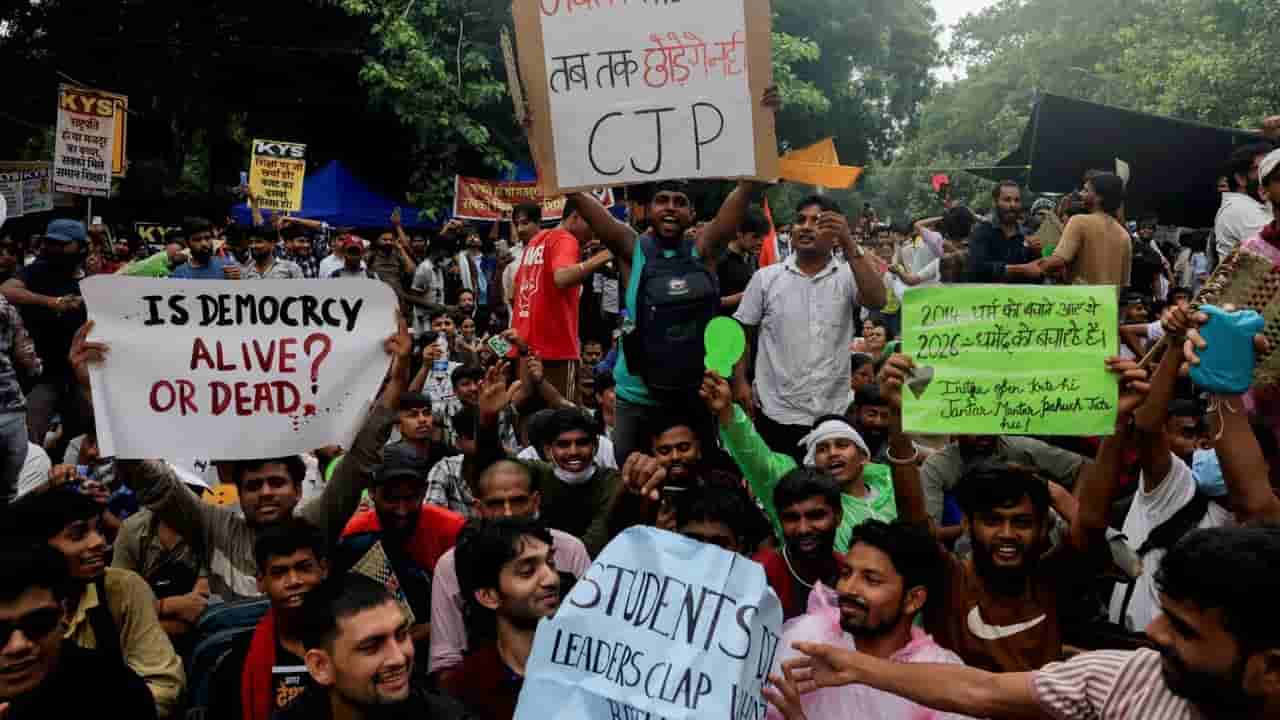
Students across India are protesting against alleged irregularities and leaks in national examinations, demanding accountability from the government and the resignation of Education Minister Dharmendra Pradhan. The protests, largely driven by young people, have gained significant traction, with some activists adopting the moniker 'Cockroach Party' in response to perceived government arrogance and corruption.
The movement intensified following the leak of the National Eligibility-cum-Entrance Test (NEET), a crucial medical entrance exam. The leak led to the exam's cancellation and a subsequent re-examination, causing immense stress for the over 2.3 million students who appeared for it. Reports indicate that at least 12 students have died by suicide, which protesters attribute to the pressure and uncertainty created by the exam debacle.
Protesters, many of whom are students, have been gathering at Jantar Mantar in New Delhi. They criticize the government for its handling of the situation and accuse it of using excessive force against demonstrators. Some protesters allege that Delhi Police have employed harsh tactics, including pellet guns and electrified barricades, to disperse crowds, though police have denied these claims.
The 'Cockroach Party' moniker emerged after Chief Justice of India Surya Kant made remarks comparing unemployed youth and activists to pests. While he later clarified his comments, the phrase resonated with young people facing unemployment and disillusionment under Prime Minister Narendra Modi's administration. Engineer and activist Sonam Wangchuk supported the protests by undertaking a 26-day hunger strike, which ended after assurances from the police regarding protesters' safety and continued dialogue with the government.
Protesters argue that the government's response, including the alleged use of force and the framing of demonstrators as 'anti-national,' is characteristic of a 'fascist regime' rather than a democratic nation. They point to numerous alleged exam leaks during Modi's tenure as evidence of systemic corruption and a lack of accountability, leading many to question the ruling party's suitability to govern.