Key facts
- The White House is considering sanctions against Chinese AI developers for alleged intellectual property theft and export control violations.
- U.S. officials accused Chinese AI lab Moonshot of distilling its Kimi K3 model from Anthropic's advanced Fable 5 model.
- Treasury Secretary Scott Bessent indicated potential sanctions and entity list designations for Chinese AI firms.
- The dispute could jeopardize planned U.S.-China AI safety dialogues scheduled for September.
- Open-weight models pose security risks due to their ease of modification and redistribution.
- There is division among U.S. officials and industry players regarding the response to Chinese AI models.
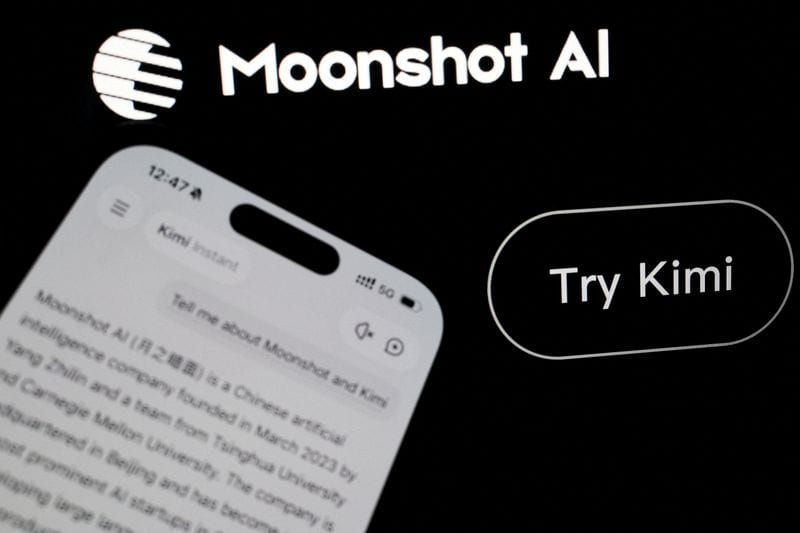
The White House is grappling with how to regulate Chinese artificial intelligence companies, balancing the drive for innovation with national security concerns, particularly regarding alleged intellectual property theft and export control violations. U.S. officials have accused Chinese AI lab Moonshot of distilling its Kimi K3 model from Anthropic's advanced Fable 5 model, prompting Treasury Secretary Scott Bessent to warn of potential sanctions.
The dispute highlights a growing tension in the U.S.-China AI race, where both nations view advanced AI as a strategic asset and a security risk. Experts argue that cooperation on safety standards is increasingly urgent as powerful AI models could be misused for cyberattacks. The accusations, coupled with reports of Washington considering restrictions on Chinese open-weight models, could lead to retaliatory measures and jeopardize a planned U.S.-China AI dialogue in September.
This situation builds on years of U.S. export controls aimed at limiting China's access to cutting-edge chips. Analysts suggest that depending on the scope of punitive actions, retaliation could derail the AI dialogue and a scheduled meeting between Presidents Trump and Xi. Beijing is reportedly considering restricting overseas users' access to its models in response.
Industry experts also point to the security risks associated with open-weight models, which can be downloaded, modified, and redistributed with limited oversight, potentially undermining export controls. Yoshua Bengio, a prominent AI figure, has warned that decisions regarding the deployment and sharing of open-weight models are irreversible and their safeguards are easily removed.
Chinese AI models must undergo government safety and content reviews before release, but current rules do not cover post-release modifications. Many Chinese AI labs, unlike U.S. counterparts, may lack the computing resources for extensive safety training, focusing instead on capability improvement. Some AI safety researchers advocate for stricter pre-release testing and independent evaluations for frontier models in both countries.
There is a divided response within the U.S. government and AI industry regarding Chinese models, which constitute a significant portion of token usage on platforms like OpenRouter. OpenAI and Anthropic have lobbied against lower-cost Chinese models, citing potential business model disruption, while some officials argue for fair competition and against unnecessary regulations.