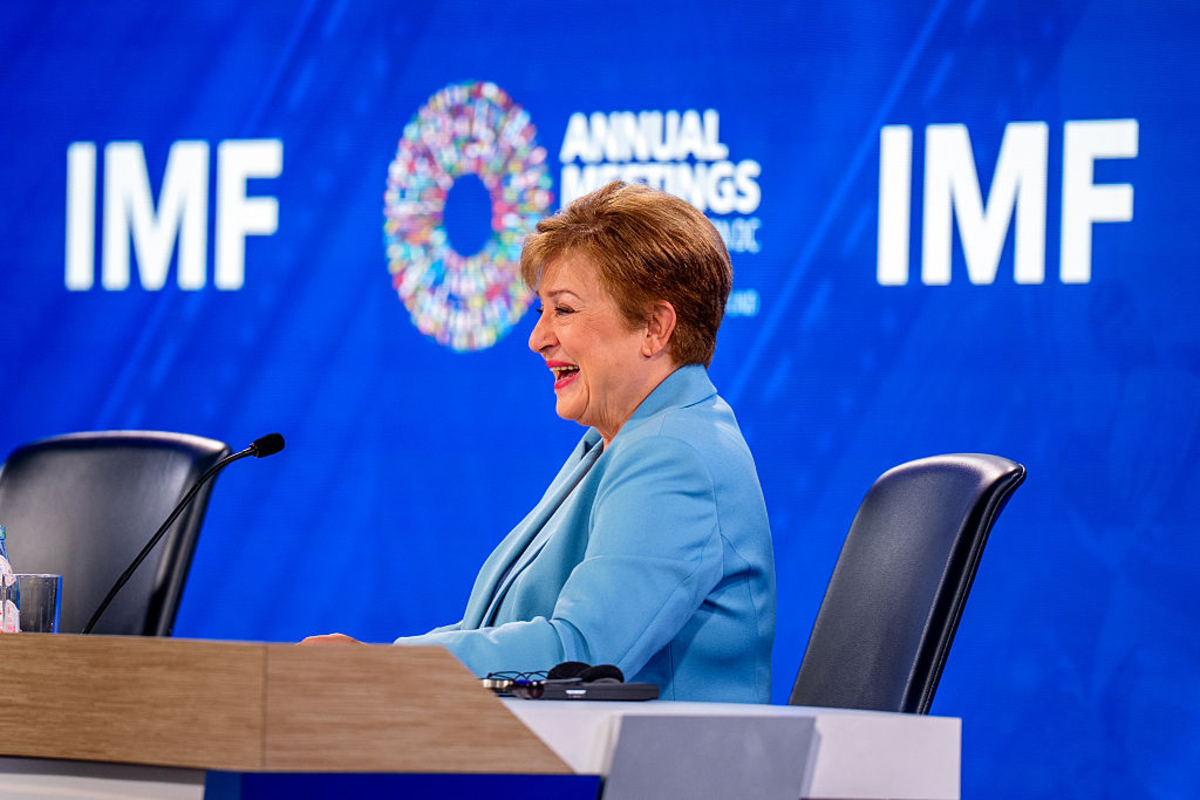
The International Monetary Fund has advised the Bank of England to keep interest rates on hold, citing persistent risks stemming from the ongoing Iran war and general geopolitical uncertainty. In its annual assessment of the UK's economic outlook, the IMF urged policymakers to maintain a "sufficiently restrictive" monetary policy to prevent a resurgence of inflation.
Economists have been closely watching the UK economy for signs that elevated oil prices, a consequence of the Middle East conflict, might trigger broader price increases. The Bank of England is particularly concerned about "second-round effects," where initial price shocks lead to demands for higher wages, which in turn allow companies to further increase prices, creating a wage-price spiral. So far, evidence of such a pattern has been limited due to difficult trading conditions for businesses and a weakening labor market that reduces workers' bargaining power.
Despite calls for the Bank of England to lower its benchmark interest rate from the current 3.75%, the IMF cautioned that such moves would be premature given the geopolitical climate. "Directors agreed that monetary policy should remain sufficiently restrictive to prevent higher energy prices from becoming entrenched in core inflation and wages," the fund stated.
Separately, the IMF commended the UK government's fiscal management, describing its plans as striking a "good balance between deficit reduction and growth-friendly spending." The report also emphasized the importance of adhering to deficit reduction plans, implicitly addressing figures like Andy Burnham. The IMF characterized the government's response to the energy shock as "prudent" and recommended it remain "tightly targeted, temporary and budget neutral," while noting future spending pressures from aging populations, defense, and the energy transition will necessitate difficult choices regarding spending containment and efficiency.
Chancellor Rachel Reeves responded positively, stating that the UK possesses the correct economic strategy for a stronger nation, with the IMF's backing validating her recent policy decisions.
What Happens Next
01The Bank of England will consider the IMF's advice in its next monetary policy meeting.
02Further economic data on inflation, wages, and employment will be monitored.
03Developments in the Iran war and their impact on oil prices will be closely watched.