Key facts
- Huawei faces a criminal racketeering trial in New York over allegations of evading U.S. sanctions and stealing trade secrets.
- The charges include conspiracy to steal trade secrets from five U.S. technology companies.
- Prosecutors allege Huawei used a shell company, Skycom, to conduct business in Iran and North Korea.
- The company is also accused of supplying surveillance equipment to Iran.
- Jury selection is scheduled to begin Tuesday in federal court in Brooklyn.
- Huawei has pleaded not guilty to all charges.
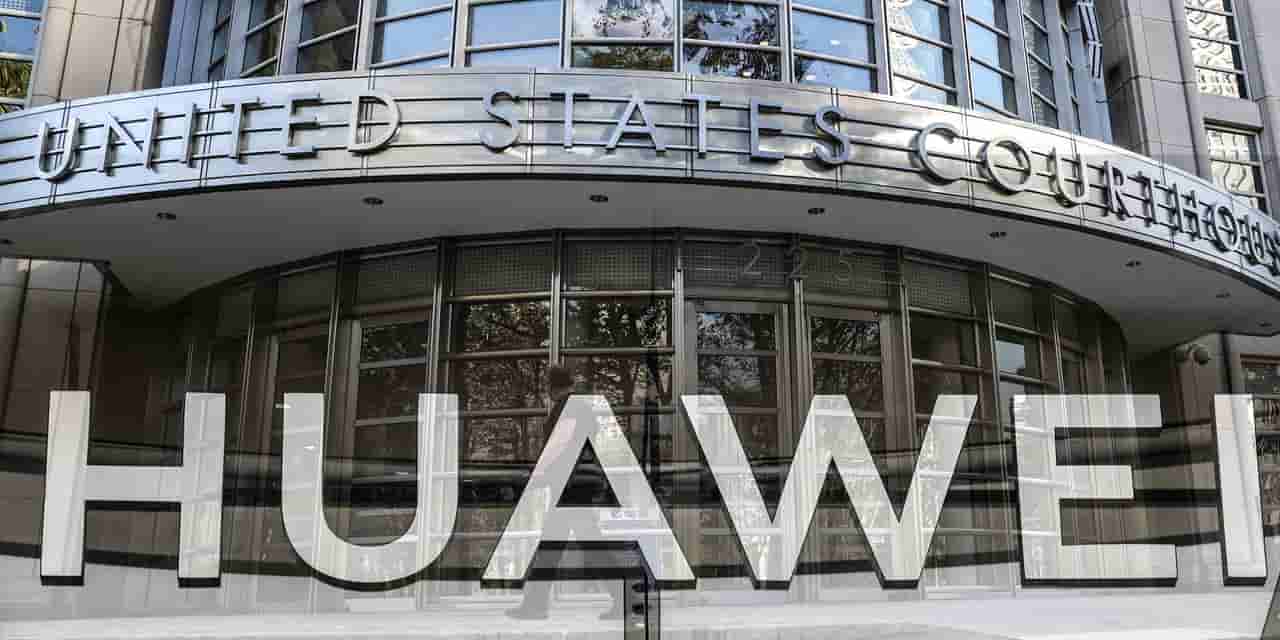
Huawei Technologies is heading to trial in federal court in Brooklyn, New York, eight years after being secretly charged by U.S. prosecutors. The charges include defrauding banks like HSBC over its business dealings in Iran, conspiring to steal trade secrets from five U.S. technology companies, and lying about dealings in North Korea. Prosecutors also allege Huawei supplied surveillance equipment to Iran used to track protesters in 2009.
Jury selection is slated to begin Tuesday for the trial, which is expected to last approximately three months. This case represents one of the U.S. government's earliest and most closely watched legal battles against a Chinese company, unfolding amid escalating tech competition between the U.S. and China.
The saga began in 2018 with the arrest of Huawei Chief Financial Officer Meng Wanzhou in Vancouver, which triggered a diplomatic crisis. Convictions on the Iran-related charges would strengthen the U.S. government's justification for placing Huawei on a trade blacklist in 2019 due to alleged criminal conduct threatening national security.
The criminal case is partly based on Reuters reporting from 2012 and 2013 that detailed close ties between Huawei and Skycom, a firm operating in Iran. Reuters reported Skycom offered to sell embargoed Hewlett-Packard computer equipment to Iran's largest mobile-phone operator in 2010, and that Meng had served on Skycom's board. The U.S. alleges Huawei used Skycom to obtain embargoed U.S. goods and services for its Iran business and to move money internationally.
Beijing has criticized the case, viewing it as part of a broader campaign to undermine China's technological advancement. A Huawei spokesperson stated the government's narrative is false, and the company has diversified beyond network gear and smartphones, focusing on AI chip ambitions. Huawei considers the accusations a repackaging of resolved commercial disputes.
If convicted, prosecutors will seek forfeiture of assets derived from illegal activity. The indictment covers alleged wrongdoing between approximately 1999 and 2020. Huawei has pleaded not guilty to all charges.