Key facts
- Commissioner Joe Chow Yat-ming said facial recognition would be activated on November 16, a Monday.
- Police said facial recognition searches must be approved by an officer at inspector rank or above and tied to stated objectives.
- Police said the function will run for specific searches rather than continuously across all cameras, citing computing resource limits.
- Surveillance footage will be kept for up to 31 days; facial recognition records may be stored for up to 180 days, police said.
- Police said SmartView has helped solve nearly 2,200 criminal cases and contributed to more than 2,800 arrests since 2024.
- The next phase will connect private-sector cameras, with the first shopping mall links expected by the end of 2026, police said.
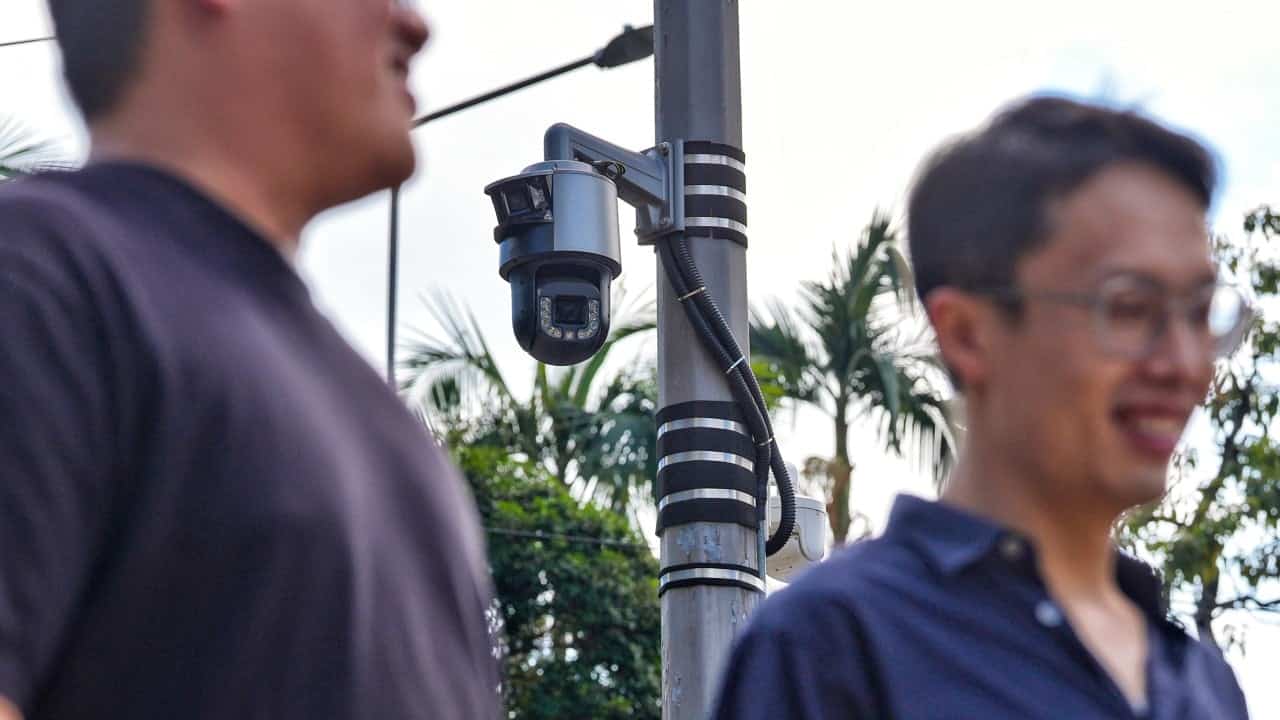
Hong Kong's police force will activate artificial intelligence-powered facial recognition across its SmartView surveillance camera network on November 16, Commissioner of Police Joe Chow Yat-ming said on November 14, speaking after a police passing-out ceremony.
Chow said the technology could help identify people even if they wore masks or used other methods to evade detection. "No matter what methods you use, if you commit a crime, we actually have the capability to arrest you," he said. He said the force would not disclose the system's exact capabilities to prevent people from finding ways to evade it.
According to police, the facial recognition function will operate in two ways: officers can search historical footage for individuals within a specified time period, and a real-time function will alert police when a missing person or person of interest is detected. Police said the capability will be activated for specific searches rather than continuously across all cameras, citing computing resource constraints, and that each search must be approved by an officer at inspector rank or above and linked to objectives such as crime prevention, public safety or national security.
Police said surveillance footage will be retained for up to 31 days, while facial recognition records including images, timestamps and location data may be stored for up to 180 days. They said SmartView cameras record only public areas and that operating procedures are based on privacy impact assessments conducted in consultation with Hong Kong's privacy regulator. The Office of the Privacy Commissioner for Personal Data said organizations collecting and using personal data, including through facial recognition, must comply with Hong Kong's privacy laws.
The next phase will extend the network to private-sector cameras, with the first shopping mall connections expected by the end of 2026, according to police. Police said at least four shopping malls have agreed to connect their camera systems, and that displaying notice that a mall's cameras are linked to SmartView will be voluntary, though general CCTV notices are required.
Launched in 2024, SmartView aims to deploy 60,000 surveillance cameras across Hong Kong by 2028. The system already uses AI for functions such as people counting and automatic licence plate recognition. Police said SmartView has helped solve nearly 2,200 criminal cases and contributed to more than 2,800 arrests since its launch; police records cited by The Standard put the figure at 1,659 cases as of June 30, 2026.