Key facts
- Four Hong Kong bus operators applied for fare increases ranging from 8.1% to 17.7%.
- Citybus requested the highest increase at 17.7% for its urban and New Territories routes.
- Kowloon Motor Bus (KMB) applied for a 16% fare hike.
- New Lantao Bus and Long Win Bus sought increases of 9.8% and 8.1% respectively.
- The operators cited mounting operational costs driven by persistently high fuel prices.
- The proposals are expected to be discussed by the Legislative Council's Panel on Transport as early as Friday, October 16.
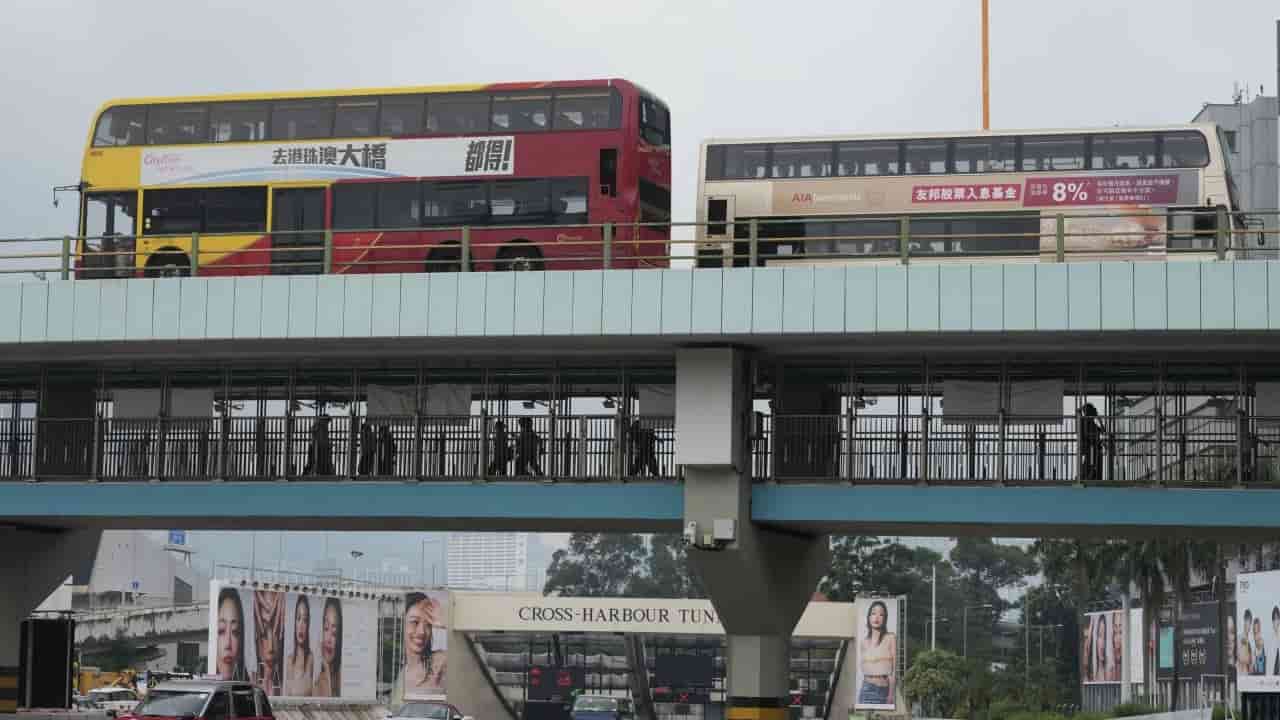
Four franchised bus operators in Hong Kong have applied to increase their fares, with requests ranging from 8.1% to 17.7%. The operators attribute these proposed hikes to significant financial pressure stemming from soaring fuel prices, exacerbated by geopolitical tensions in the Middle East. Citybus has requested the steepest increase at 17.7% for its urban and New Territories routes, while Kowloon Motor Bus (KMB) is seeking a 16% rise. Long Win Bus and New Lantao Bus have applied for increases of 8.1% and 9.8% respectively.
These applications were reportedly submitted as early as April, driven by rising operating expenses due to elevated fuel costs. While the government initially delayed processing the requests, persistent global market volatility and high fuel costs have limited their ability to negotiate lower increases. The proposals are scheduled for discussion by the Legislative Council's Panel on Transport as early as Friday, October 16.
Previous applications for fare increases were submitted in November 2024, resulting in government-approved weighted average hikes of 4.3% for KMB and 7.5% for Citybus in January 2025. Under the Public Bus Services Ordinance, Chief Executive John Lee Ka-chiu and the Executive Council will evaluate the current applications. Their decision will be based on factors including operational costs, revenue forecasts, public affordability, service quality, and the prescribed fare adjustment formula. Industry sources suggest the operators' submissions emphasize sustained increases in expenses for fuel and maintenance, alongside the necessity of maintaining service frequency and network coverage.