Japan cabinet approves food tax cut, key funding questions remain
IN SHORT
Japan's cabinet has approved a plan to temporarily cut the consumption tax on food items to 1% from April 2027 for two years. The move, intended to address high commodity prices, leaves crucial details about funding and eligibility for parliamentary debate. The government aims to secure the estimated 5 trillion yen annual cost through a review of spending and revenue streams, explicitly ruling out deficit-covering bonds.
Key Numbers
1%food consumption tax rate from April 2027
8%current food consumption tax rate
2 yearsduration of the tax cut
5 trillion yenestimated annual cost of the tax cut
Who's Involved
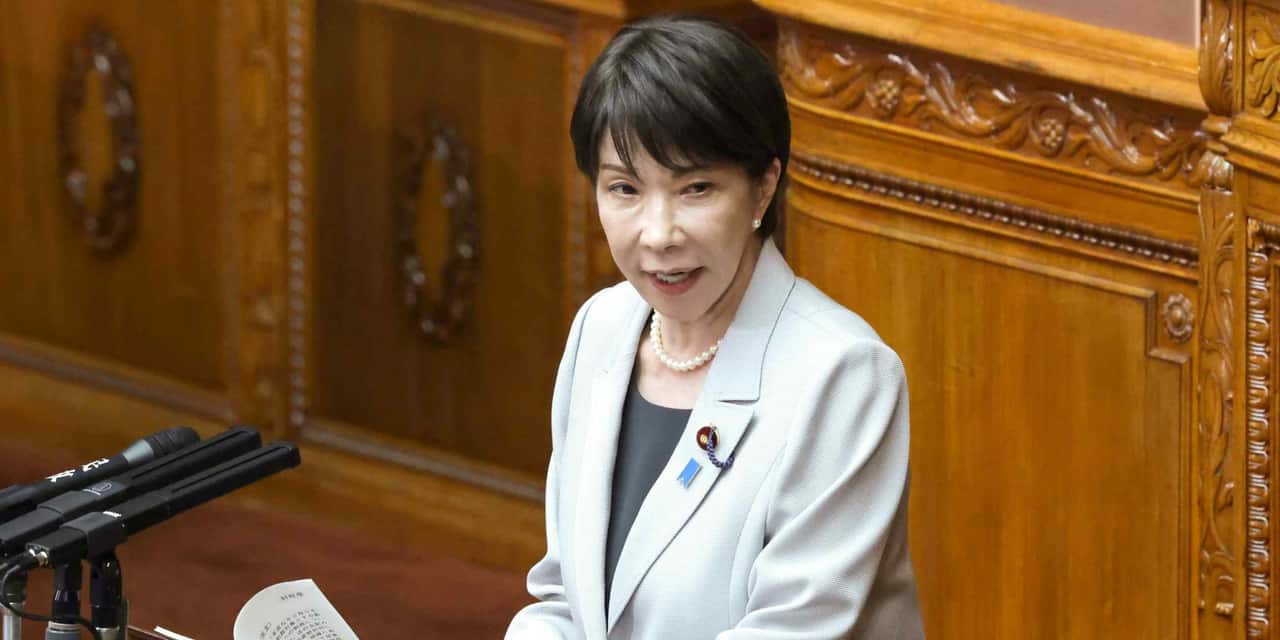
Sanae Takaichi
Japanese Prime Minister, confident funding can be secured through reforms
Japan's Cabinet
approved the consumption tax cut policy
Tsutsui Yoshinobu
head of the Japan Business Federation (Keidanren), raised concerns about social security funding
↳ Why This Matters
The decision to cut Japan's food consumption tax, while aimed at easing consumer burdens, introduces fiscal uncertainty and potential economic distortions. The unresolved funding mechanisms and the temporary nature of the cut raise questions about long-term fiscal sustainability and the impact on consumer behavior and the broader economy.