Key facts
- The woman, 27, and her boyfriend, 34, were arrested at Ping Chun House, Ping Tin Estate in Lam Tin on Thursday night.
- Chief Immigration Officer Tang Wai-yip said forensic tests found paper fiber residues showing pages 15 through 18 were forcibly torn out.
- The passport was issued in 2018 and had been used to travel to multiple destinations without issue, the department said.
- The woman's Threads post claiming a manufacturing defect drew more than 1.1 million views, according to The Standard.
- Altering an SAR passport without lawful authority carries a maximum penalty of a HK$150,000 fine and 14 years' imprisonment.
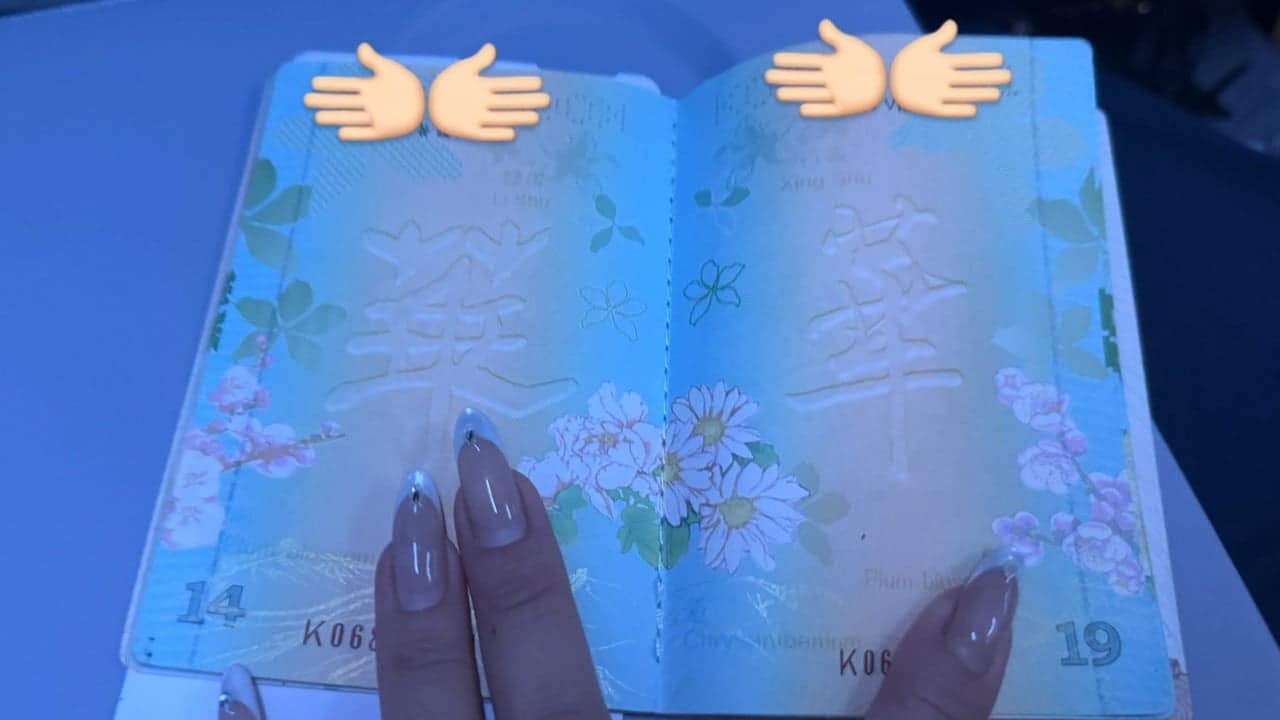
Hong Kong's Immigration Department arrested a 27-year-old woman and her 34-year-old boyfriend on Thursday night at a public housing estate in Lam Tin, on suspicion of unlawfully altering a travel document and misleading the immigration service. The arrests followed the woman's social media complaint that a "manufacturing defect" in her passport caused Japan to deny her entry.
Chief Immigration Officer (Outside Investigation) Tang Wai-yip said at a press briefing that Government Laboratory forensic tests found paper fiber residues where pages 15 through 18 were missing, indicating the pages had been forcibly torn out rather than omitted during production. The woman had claimed on Threads that the center stitching showed no signs of tearing; the post drew more than 1.1 million views, according to The Standard.
The passport was issued in 2018, and immigration records showed the woman had used the same booklet to travel to multiple destinations without issue, the department said. The woman and her boyfriend had planned a week-long birthday trip to Japan starting Monday, November 23, before Japanese immigration officers found the passport jumped from page 14 to page 19 and placed her on a return flight to Hong Kong.
When summoned to the Tseung Kwan O headquarters on Wednesday to give a statement and apply for a replacement passport, she retracted her claim that immigration officers had blamed a printing error, though she continued to insist online that she had never damaged the booklet, according to The Standard. The department said every SAR passport is produced at its high-security printing center under computer monitoring and undergoes manual page-by-page inspection before collection.