Key facts
- Shenzhen Customs detained 37 suspects and dismantled four groups in the cross-province operation, CCTV reported.
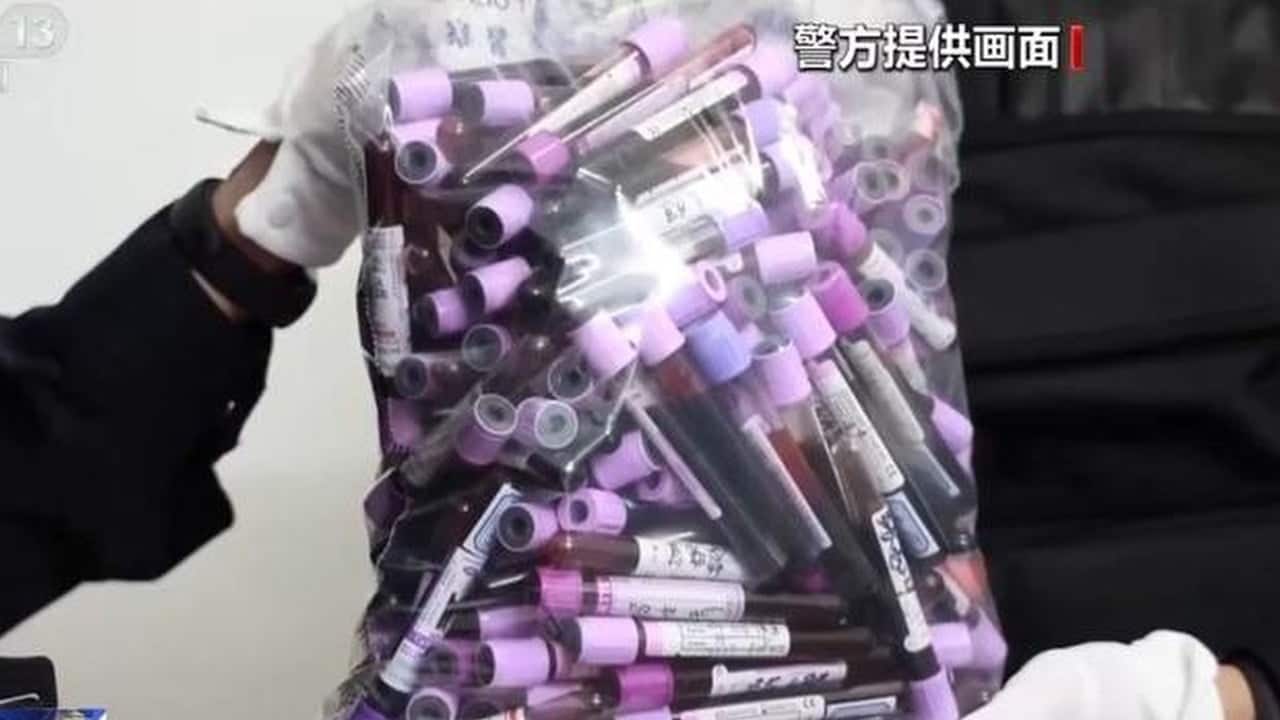
- Officers found 527 sealed blood sample tubes in a modified car audio system at Shenzhen Bay Port, CCTV reported.
- Authorities seized more than 2,000 additional tubes and confirmed more than 38,000 samples had been smuggled out, CCTV reported.
- Shenzhen Customs said the samples carry genetic information from mother and fetus and are a national human genetic resource.
Shenzhen Customs anti-smuggling officers dismantled a network that collected blood samples from pregnant women across several provinces and transported them out of mainland China, state broadcaster CCTV reported on November 25, 2026. The samples were used for fetal sex determination, a practice banned on the mainland for non-medical purposes.
The investigation began after officers screened a white commercial vehicle at Shenzhen Bay Port. Inside a modified car audio system in the trunk they found 527 sealed sample tubes, each with an application form from an overseas testing institution, CCTV reported. The driver was detained at the scene.
Shenzhen Customs then worked with police in Guangzhou, Jiangmen and Xiamen in a coordinated operation across Guangdong, Hainan, Fujian, Jiangsu and Guizhou provinces. Authorities detained 37 suspects and dismantled four groups, seizing more than 2,000 additional tubes inside China and confirming that more than 38,000 samples had been smuggled out, according to CCTV. The case has been transferred to prosecutors for review and indictment.
Shenzhen Customs said the samples carry genetic information from both mother and fetus and are classified as a national human genetic resource. It said the outflow of large volumes of samples could allow overseas institutions to analyze the health conditions and genetic vulnerabilities of specific populations, posing a risk to national biosecurity.