Key facts
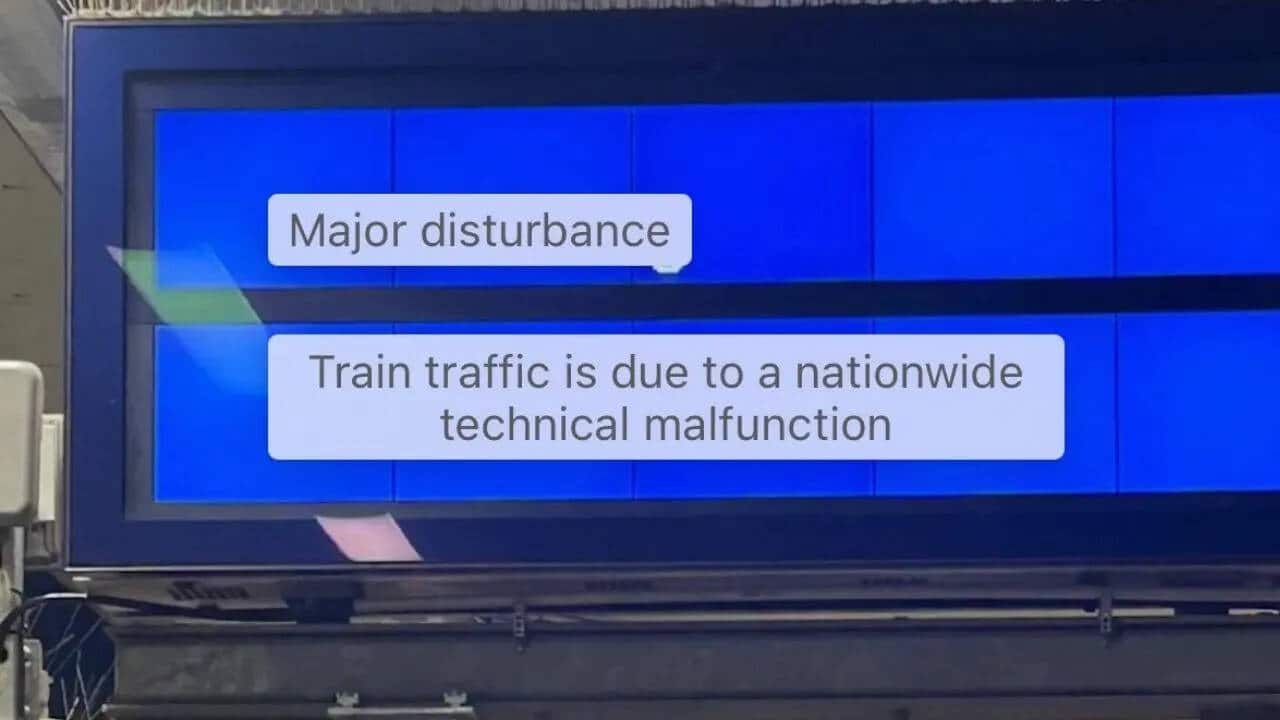
- Germany's rail network experienced a nationwide outage due to a communication system failure.
- The disruption was caused by a planned replacement of an aging component in the GSM-R digital radio system.
- Deutsche Bahn, the national rail operator, faced criticism for the chaos and stranded hundreds of thousands of passengers.
- Services resumed gradually after approximately three hours.
- The railway operator is analyzing the exact cause to prevent recurrence.
Germany's rail network ground to a halt late on Tuesday as a result of maintenance work that went wrong, leaving hundreds of thousands of passengers unable to get home. The Deutsche Bahn (DB) meltdown was initially thought to have been caused by a cyber-attack, but it later emerged that it was likely triggered by a scheduled attempt to replace an aging component in the railway’s internal communication network, the GSM-R digital radio system. Trains were brought to an abrupt halt as a precaution, leaving many stuck on tracks or in stations. A system reset was carried out after two hours, but undoing the chaos took much longer. Philipp Nagl, chief executive of DB InfraGO, stated that the company is meticulously analyzing the cause to ensure it does not recur. The nationwide chaos comes amid years of mounting problems with the railway, including frequent delays and cancellations, attributed to underinvestment. Punctuality stood at just 59% in February, a decline from 66% a year ago, with one in three long-distance trains arriving late. The state of the railways is viewed as a bellwether of Germany’s fiscal and structural standing. The rail network is undergoing a multi-billion euro overhaul, leading to further disruption. The communications system that broke down uses 1990s 2G technology, with a 5G network not scheduled until 2035. Oliver Krischer, the regional transport minister for North-Rhine-Westphalia state, criticized the outage as a "new low in what are already poor operating standards."