Key facts
- Germany's unemployment increased by 4,000 to 2.996 million in August, below the predicted 5,000 rise.
- The seasonally adjusted unemployment rate held steady at 6.4%.
- The unadjusted unemployment figure exceeded 3 million for the second month running.
- Labor demand is slowing, with 631,000 job openings in August, down 68,000 from a year ago.
- Chancellor Friedrich Merz stated the increase was not unexpected and would be a focus for the government.
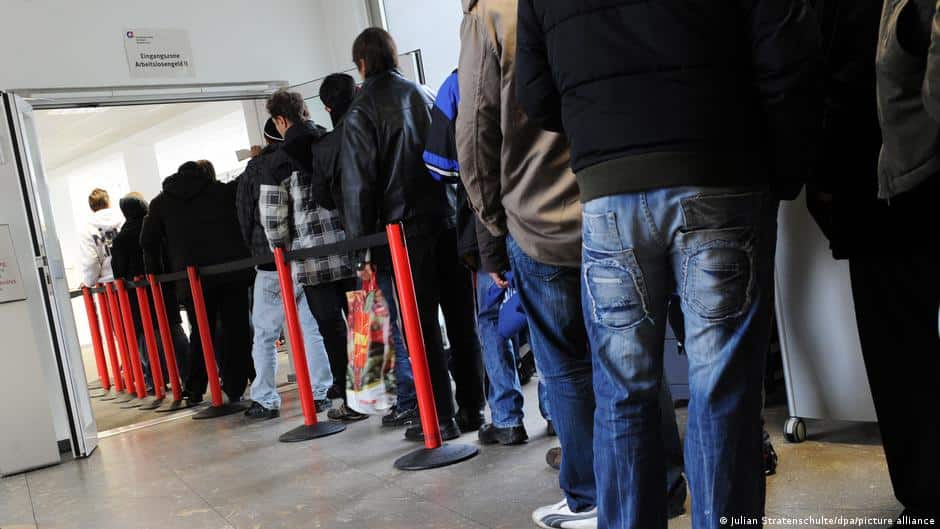
Germany's unemployment figure rose slightly less than anticipated in August, with seasonally adjusted figures showing an increase of 4,000 to 2.996 million people. Analysts had predicted a rise of 5,000. The seasonally adjusted jobless rate remained stable at 6.4%. However, the unadjusted number of unemployed individuals surpassed the 3 million mark for the second consecutive month.
According to the Federal Employment Agency (BA), the unadjusted figure climbed by 46,000 to 3.025 million, and the unemployment rate ticked up to 6.4%. Despite the overall increase, the seasonally adjusted trend showed a slight fall of 9,000 compared to July, defying forecasts. Year-on-year, joblessness was up by 153,000.
BA chief Andrea Nahles attributed the increase to the summer lull, with many companies delaying new hires. She noted that while the labor market is weighed down by weak growth, there are "early, fragile signs" of stabilization. Nahles forecast that the usual autumn upturn in September should ease the situation but warned that the three-million mark might be breached again in winter.
Labour Minister Bärbel Bas pointed to global economic uncertainties and Russia's war in Ukraine as ongoing factors impacting the labor market. Confederation of German Employers' Associations chief Rainer Dulger described the three million unemployed figure as "a disgrace" and called for significant reforms, blaming political inaction for the prolonged economic weakness.
Labor demand is also slowing, with 631,000 job openings in August, a decrease of 68,000 from the previous year. The wider German economy has been struggling with high energy costs and pressure on exports due to international trade policies.