Key facts
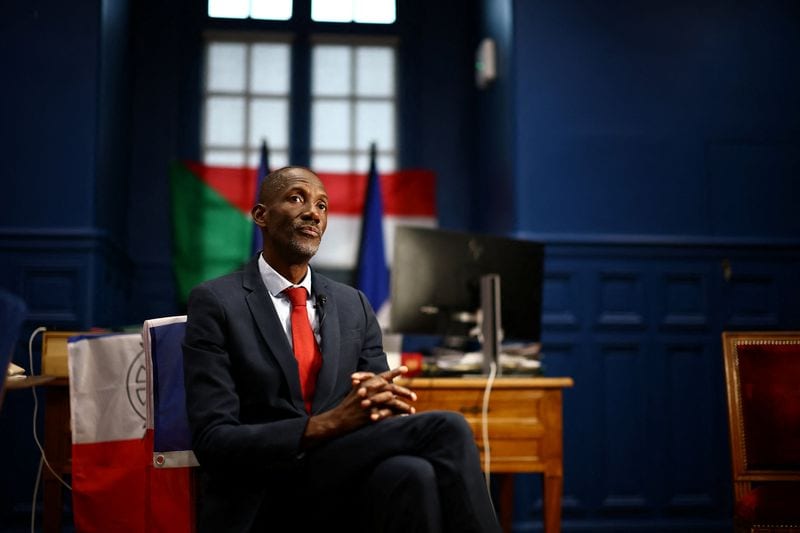
- Bally Bagayoko, mayor of Saint-Denis, France, was seen in a viral video shielding student protesters from police.
- Bagayoko stated he intervened to ask police not to charge the students.
- Police used tear gas on the protesters, including the mayor.
- The student protests have been ongoing for over two weeks and have led to thousands of arrests and injuries.
- Saint-Denis, a suburb with high poverty, has seen protests over educational conditions.
- Prime Minister Sebastien Lecornu stated the government will review student demands and present proposals by the end of October.
Bally Bagayoko, the mayor of the French town of Saint-Denis, has defended his actions after a video of him shielding student protesters from police during a march in Paris went viral on social media. Bagayoko, a member of the hard-left France Unbowed party (LFI), stated he was asking police not to charge the students, many of whom he felt were not behaving aggressively.
In the end, police fired tear gas at the group, including the mayor. The wave of student protests, which began in Paris's marginalized suburbs over two weeks ago, has exposed widespread public anger ahead of an election to replace French President Emmanuel Macron.
Authorities report over 6,000 arrests and dozens of student injuries since the protests began. Rights groups and unions accuse the police of using heavy-handed tactics against minors, while authorities state hundreds of police officers have also been injured. Schools have reportedly been burned or ransacked, and teachers and members of the public attacked.
Saint-Denis, a working-class suburb with poverty levels more than double the national average, was one of the first sites of student protests in late September. Protesters are demanding action on overcrowded and unsanitary classrooms, teacher shortages, and unequal opportunities. Bagayoko, a father of four, expressed solidarity with the students, saying they "could be my children."
Prime Minister Sebastien Lecornu stated on Wednesday that the government would review the students' demands and present proposals at the end of October.