Key facts
- The Kyiv Independent said it could not independently verify the fire's location or whether the complex took a direct hit.
- Ukrainian military officials and Bashkortostan regional authorities gave no immediate confirmation of the reported attack.
- Gazprom Neftekhim Salavat can process up to 10 million metric tons of oil and gas condensate a year, per the report.
- The complex produces gasoline, diesel fuel and other petroleum and chemical products, the report said.
- The facility sits about 1,750 kilometers (1,090 miles) east of Kyiv, according to the report.
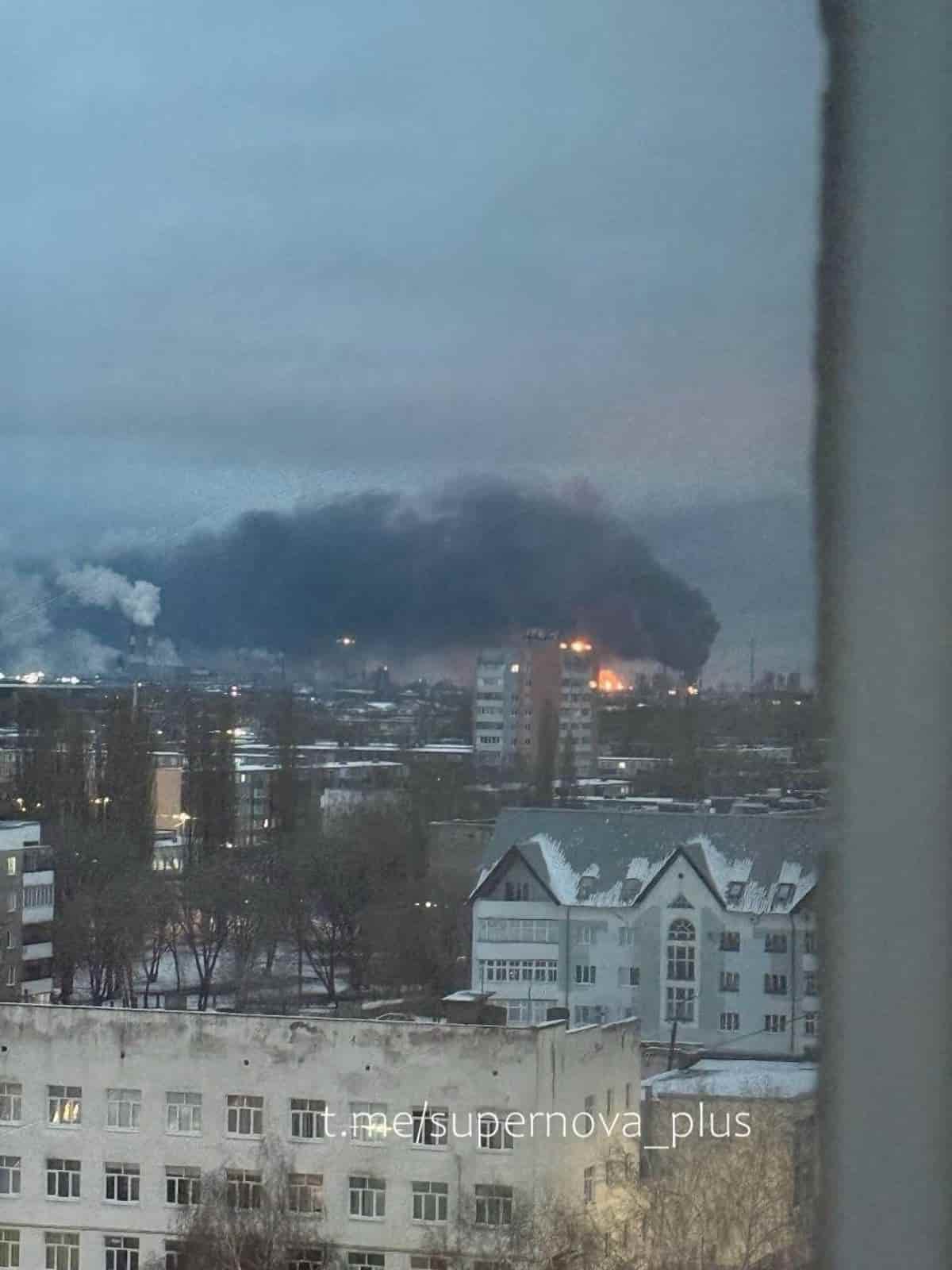
A fire was reported at the Gazprom Neftekhim Salavat oil refining and petrochemical complex in the city of Salavat, in Russia's Republic of Bashkortostan, overnight on November 17, 2026, according to a report by the Kyiv Independent. Ukrainian monitoring Telegram channels Exilenova+ and Supernova+ reported that the complex had been targeted, and photos and videos they circulated purportedly showed a large glow from a fire near the industrial site.
Exilenova+ reported fires at multiple locations within the complex, the Kyiv Independent said, adding that the extent of any damage remained unclear. The outlet said it could not independently verify the location of the reported fire or whether the facility sustained a direct hit. There was no immediate confirmation of the reported attack from Ukrainian military officials or from regional authorities in Bashkortostan.
Gazprom Neftekhim Salavat is one of Russia's largest oil refining and petrochemical complexes, able to process up to 10 million metric tons of oil and gas condensate a year, according to the report. It produces gasoline, diesel fuel and other petroleum and chemical products and lies roughly 1,750 kilometers (1,090 miles) east of Kyiv.
The Kyiv Independent reported that the facility has been repeatedly targeted by Ukrainian drone attacks. Most recently, Ukraine's General Staff confirmed a strike on the complex on October 8, 2026, which caused a large fire. The report said Ukraine has increasingly targeted Russian oil refineries and energy infrastructure to disrupt fuel supplies and reduce revenue supporting Moscow's war effort.