Key facts
- The EPA has rescinded Biden-era standards for greenhouse gas emissions from power plants.
- The rescinded rules targeted long-serving coal and some new gas plants.
- The EPA proposed blocking future power plant carbon regulations.
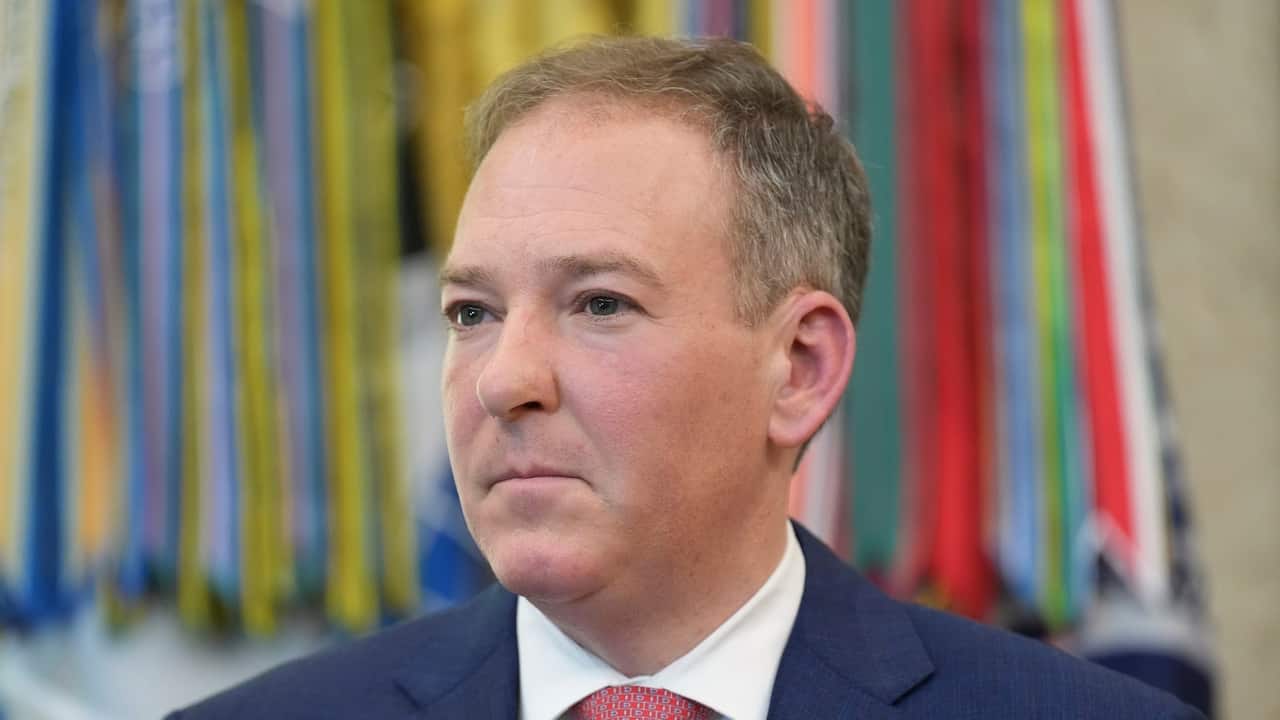
- Administrator Lee Zeldin announced the decision at a G20 meeting in Houston.
- The Trump administration stated the move would remove billions of dollars in costs for the industry.
- Environmental groups vowed to challenge the rules in court.
The Environmental Protection Agency on Monday rescinded key Biden-era regulations aimed at curbing greenhouse gas emissions from power plants, the largest industrial source of climate change in the U.S. Administrator Lee Zeldin announced the move at a G20 ministerial meeting in Houston, stating the agency was walking away from the 2024 standards. These standards would have required older coal plants and some new natural gas facilities to eventually capture and store most of their carbon emissions underground.
The Trump administration's decision represents a significant shift from the climate change mitigation efforts of Democratic Presidents Joe Biden and Barack Obama. The administration stated that the repeal would remove billions of dollars in costs for the energy industry and help "unleash" American energy. Republican President Donald Trump has previously expressed skepticism about climate change, calling it "the greatest con job ever perpetrated on the world."
Environmental and public health groups have criticized the rollbacks, calling them dangerous and vowing to challenge the rules in court. Vickie Patton, general counsel for the Environmental Defense Fund, stated that dismantling these protections would have enormous costs for families across the country, citing increasing instances of extreme weather. Power plants are responsible for about one-quarter of the nation's total climate pollution, second only to the transportation sector. An Associated Press examination last year suggested the rules could prevent an estimated 30,000 deaths annually and save $275 billion each year they are in effect.